Table of Contents
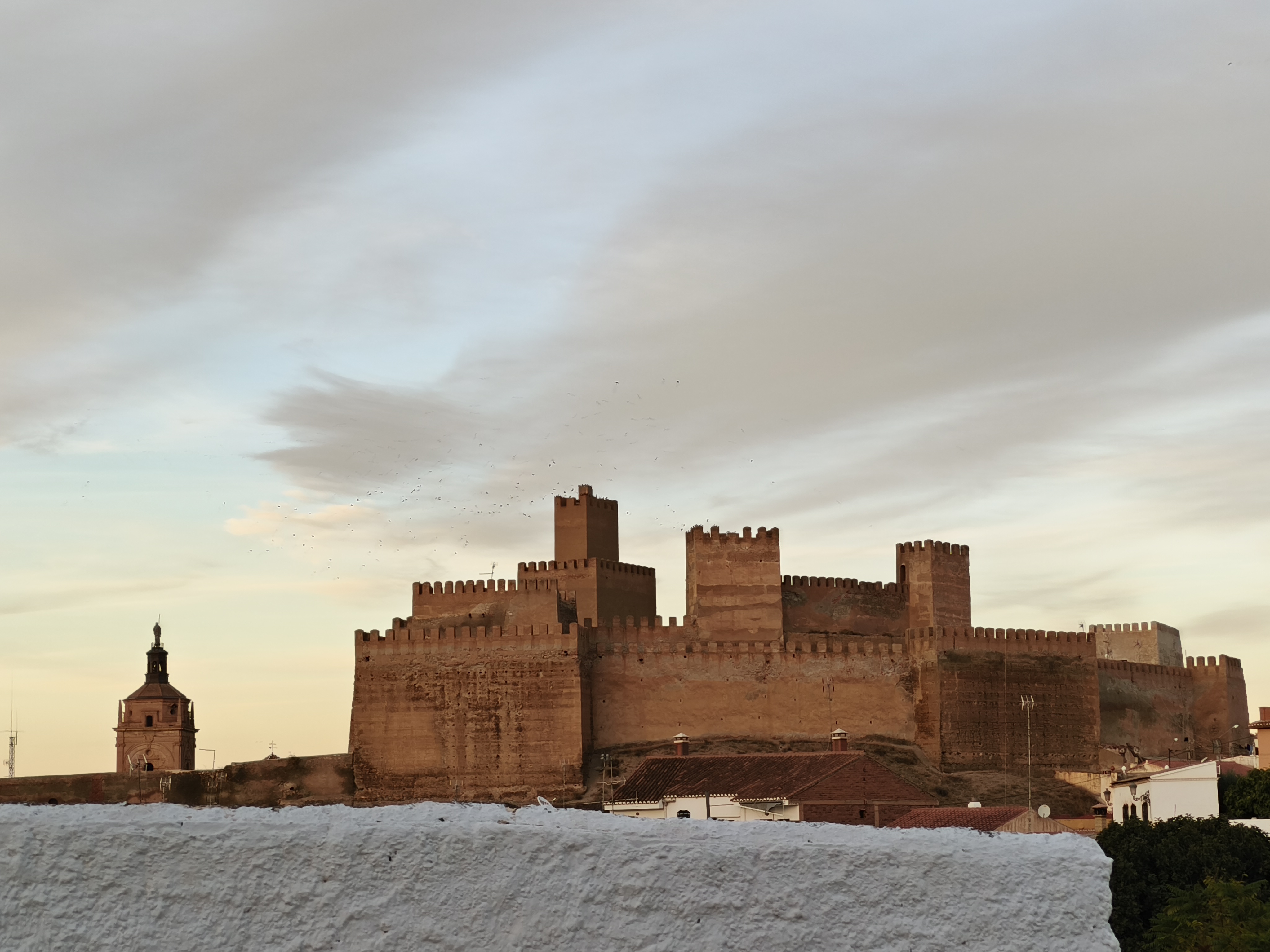
Pedro Poveda in Guadix: a city with a very special character. This Saturday, despite the rain, I had the privilege of exploring Guadix in a very special way. As part of the ‘Pasea Guadix’ programme, organised by the Pedro Suárez Study Centre, and with the expert guidance of Mª Dolores Peralta Ortiz, I took part in a tour linking the town centre with the cave district through the figure of San Pedro Poveda.
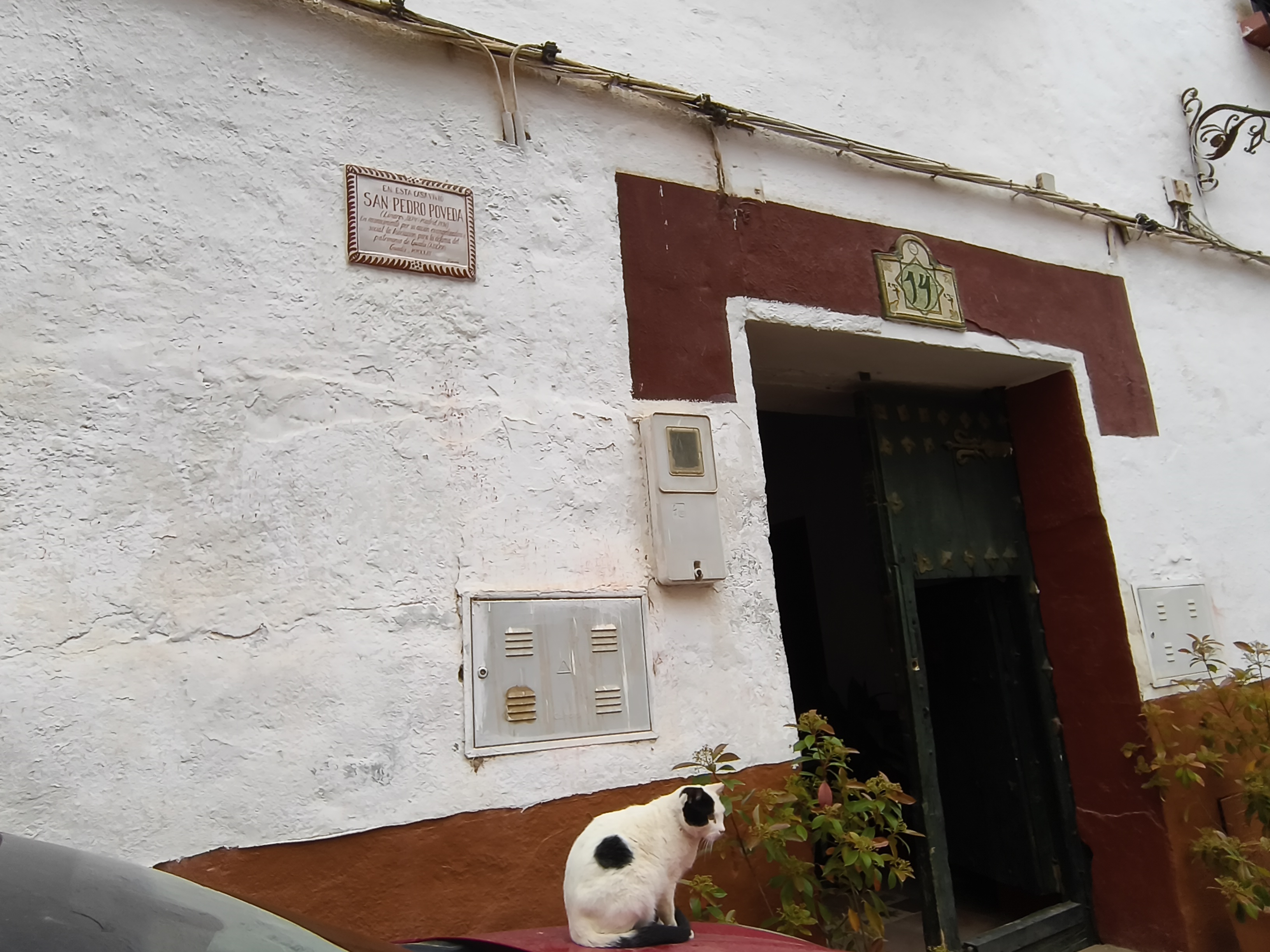
We passed through Plaza de las Palomas, the Cathedral, the Bishop’s Palace, the Seminary, the Hermitage of Gracia, and ended up at Father Poveda’s cave.
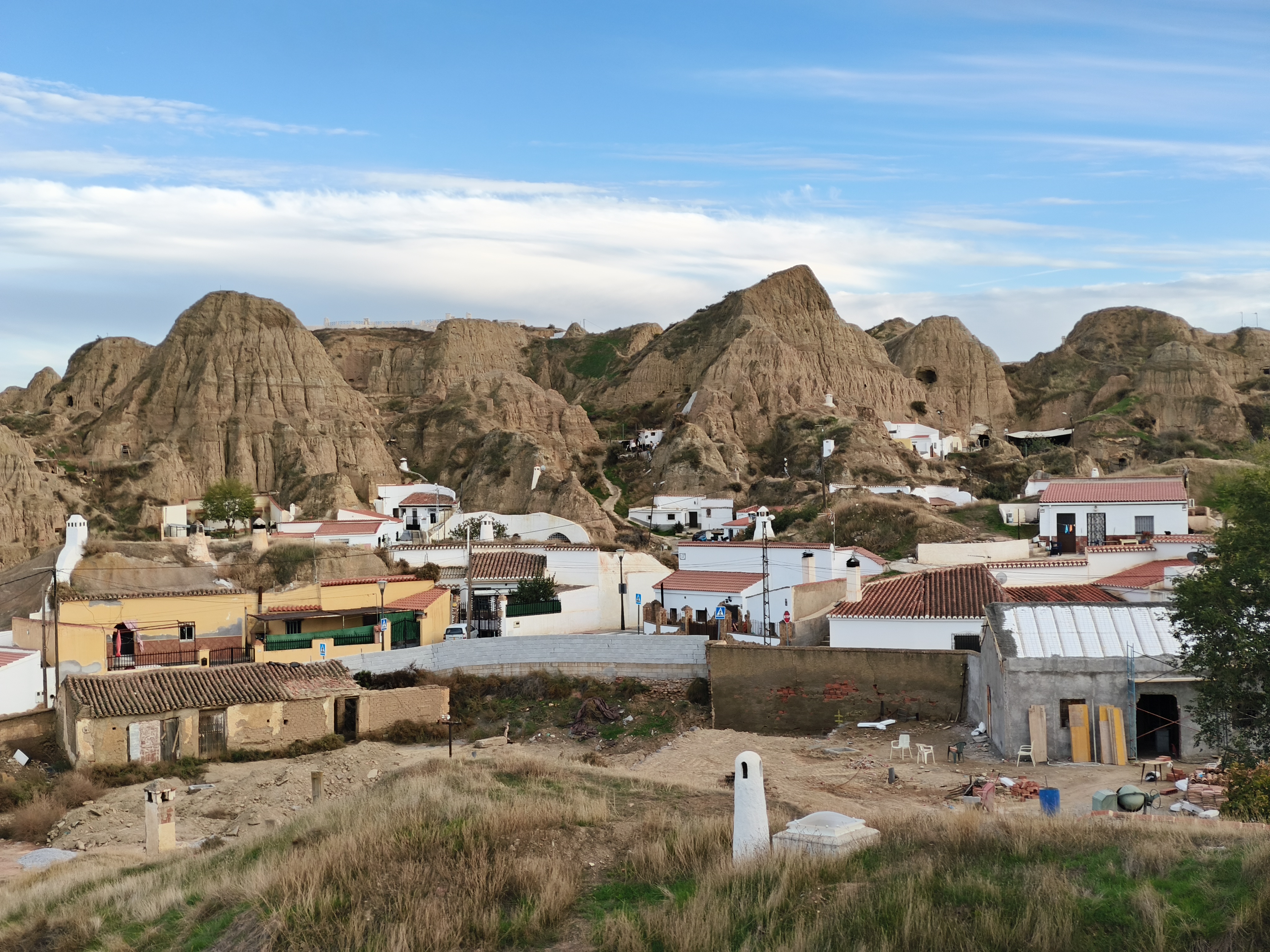
As I walk through Guadix and reach the cave district, the landscape ceases to be merely geological and becomes a part of human history. Those clay hills that so fascinate visitors also hold the story of an extraordinary man: San Pedro Poveda, a priest who arrived in our town when he was little more than a boy and discovered his true calling here.
From Linares to Guadix: a young man with a scholarship and plenty of determination
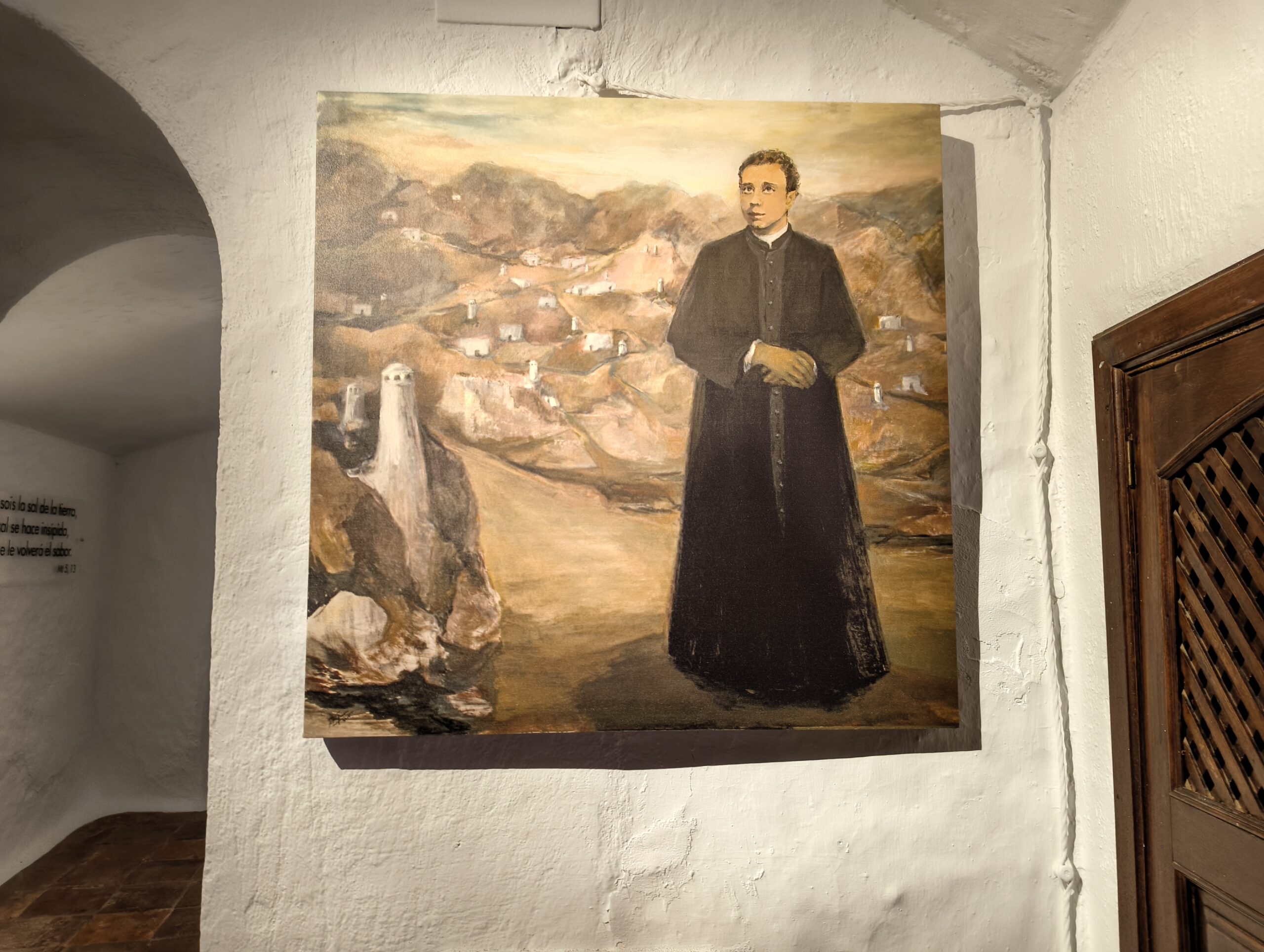
Pedro Poveda was born in Linares (Jaén) on 3 December 1874. Due to his family’s financial difficulties, caused by his father’s illness, he moved to the Seminary of Guadix in 1894, where he was awarded a scholarship by the Bishop of the Diocese. He was 20 years old and was arriving in a town he did not know. What he did not yet know was that Guadix would change him forever.
He completed his studies and on 17 April 1897, Holy Saturday, he was ordained a priest in the Bishop’s Chapel. He served as the Bishop’s Deputy Secretary, a professor and spiritual director at the seminary, and in 1900 he obtained a Bachelor’s degree in Theology. A promising ecclesiastical career. But what was to shape his life lay not within the seminary. It lay in the hills.
The Call of the Caves
As a guide, I find this particularly revealing: the very same badlands landscape that we now admire as a geological wonder of the Granada Geopark was, at that time, synonymous with social exclusion. On the hills surrounding Guadix lay a vast area of caves inhabited by a large, poor and marginalised population. A profound sense of social exclusion separated them from the rest of the town.
As fate would have it, in 1902 it fell to that young priest to preach a Lenten mission there, and the people stole his heart. What began as a one-off task turned into a lifelong commitment.
Schools, canteens and workshops
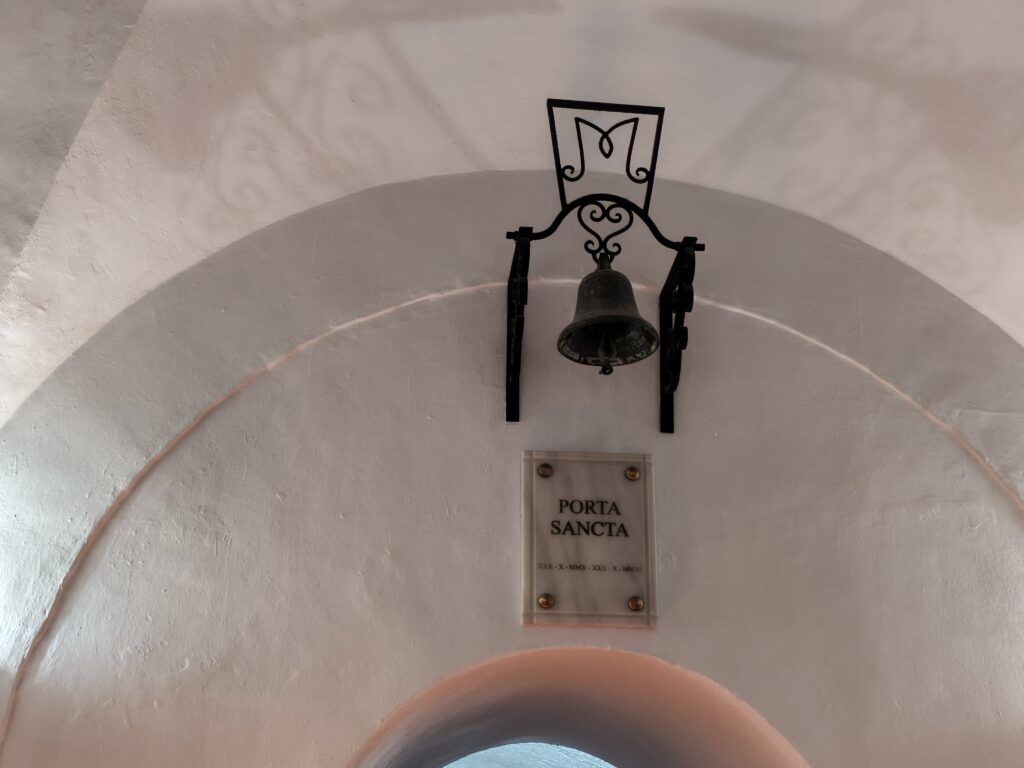
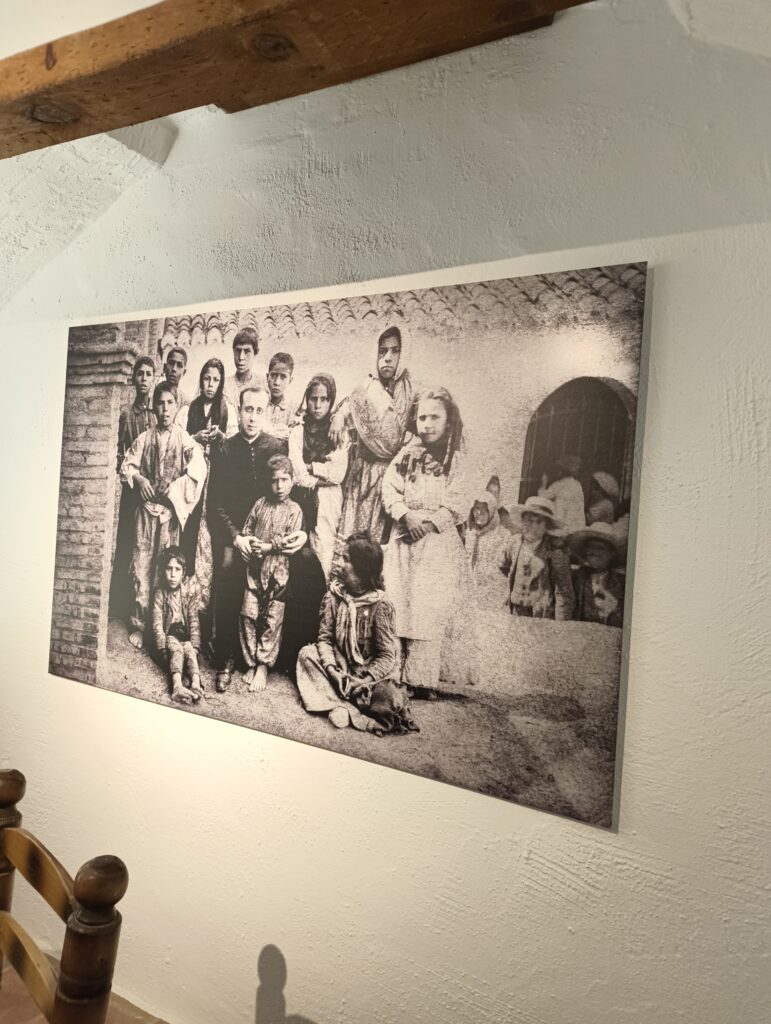
The first thing he did was to restore worship at the Chapel of Our Lady of Grace, a cave-chapel dating back to the 17th century in the Ermita Nueva neighbourhood. But he soon realised that faith alone, without education, was not enough.In 1902, he built and opened the Sacred Heart Schools for the boys and girls living in the caves, applying Father Manjón’s innovative teaching methods.
With aid from public bodies and private individuals, he was able to pay the teachers, provide meals for some of the children, and set up evening classes and workshops for adults. And he did not do this from a distance: he rented a cave so that he could be close to this community, which was denied care and all kinds of resources. He lived amongst them. Literally.
Guadix, the seed of all that was to come
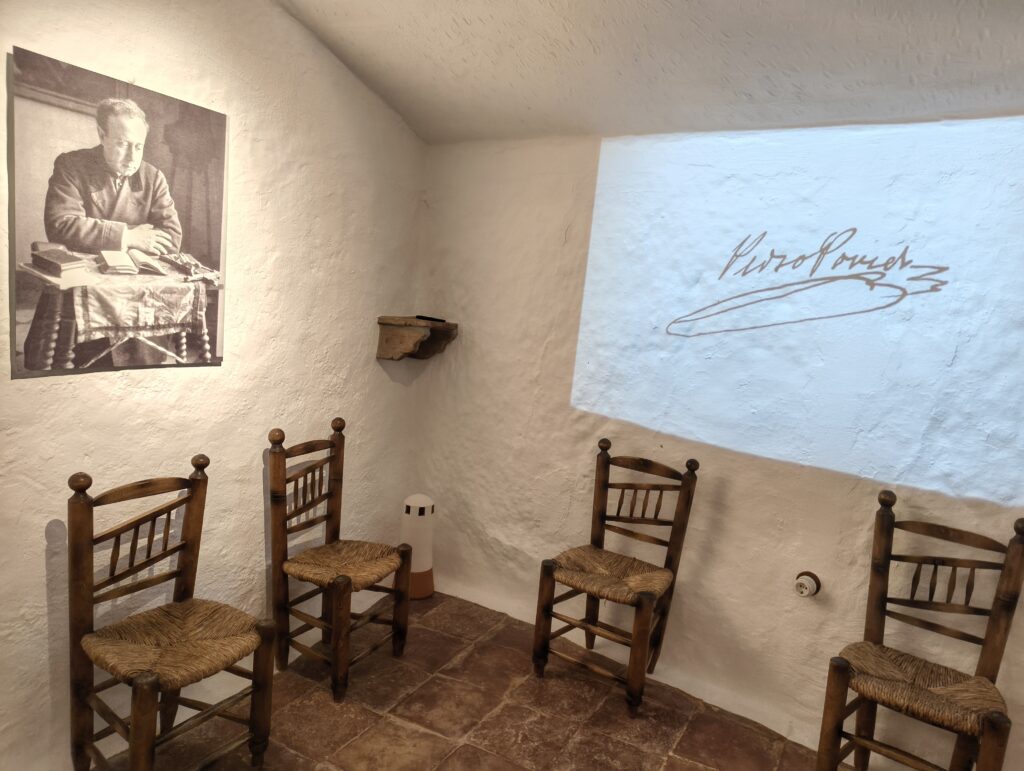
He was forced to leave Guadix in 1905 due to conflict with those who saw his work as a threat. But the seeds he had sown there would not die. His experience with the potters of Guadix was the seed from which the Teresian Association grew, an educational organisation now present on all five continents. Guadix recognised his work by naming him its ‘Beloved Adopted Son’ and naming a street after him.
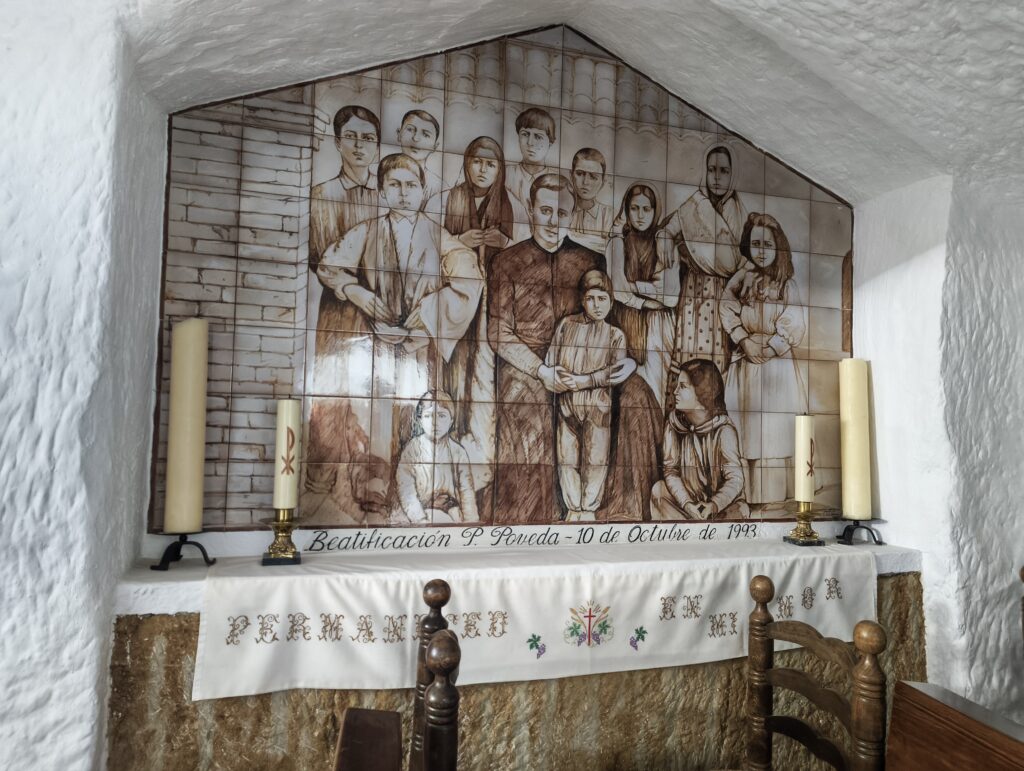
He was beatified in 1993 and canonised in 2003 by John Paul II.
Why this matters when you visit Guadix
Whenever a traveller visits the cave-dwelling quarter, they see the stone, the geology and the unique architecture. But rarely do they learn the story of a man who saw people with names and dignity in those very caves. At Quo Wadis, we believe that travelling well means travelling with a sense of history. And this is one of the most beautiful stories our city has to offer.
Free tours and guided tours
Would you like to discover Guadix beyond the postcards? Guadix, where geology and human history go hand in hand.
Sources
- pedropoveda.org – Relato de su vida y perfil biográfico oficial https://pedropoveda.org/su-vida https://pedropoveda.org/perfil-biografico
- pedropoveda.org/guadix – Página específica sobre su etapa en Guadix https://www.pedropoveda.org/guadix
- jubileograciapoveda.wordpress.com – San Pedro Poveda en Guadix, ayer y hoy https://jubileograciapoveda.wordpress.com/san-pedro-poveda/
- institucionteresiana.org – Quiénes somos / San Pedro Poveda https://institucionteresiana.org/es/quienes-somos/san-pedro-poveda
- cmppoveda.org – Colegio Mayor Padre Poveda, biografía https://www.cmppoveda.org/sobre-nosotras


Leave a Reply