Granada Geopark
A territory of gullies, seismites, and cave houses in Andalusia, where geology has shaped both the landscape and the way of life of its people. Guadix, with its historic center and cave neighborhood, serves as one of its main gateways.
What is the Granada Geopark?
The Granada Geopark is a site within the Unesco Global Geoparks Network located in the northeast of the province, encompassing the regions of Guadix, Baza, Huéscar, and Los Montes. Unesco integrated it into the network in July 2020, following a process of more than fifteen years driven by the Provincial Council of Granada, local rural development groups, and the Geological and Mining Institute of Spain. In 2024, it successfully renewed its designation, confirming the work done in conservation, education, and sustainable tourism.
Holding Geopark status does not mean being a protected natural area with usage restrictions, but rather a recognition of the scientific and educational importance of its geological heritage, which is managed holistically alongside the cultural, archaeological, and ethnographic heritage of the territory. The goal is to value these resources to boost sustainable local development in an area historically threatened by depopulation.
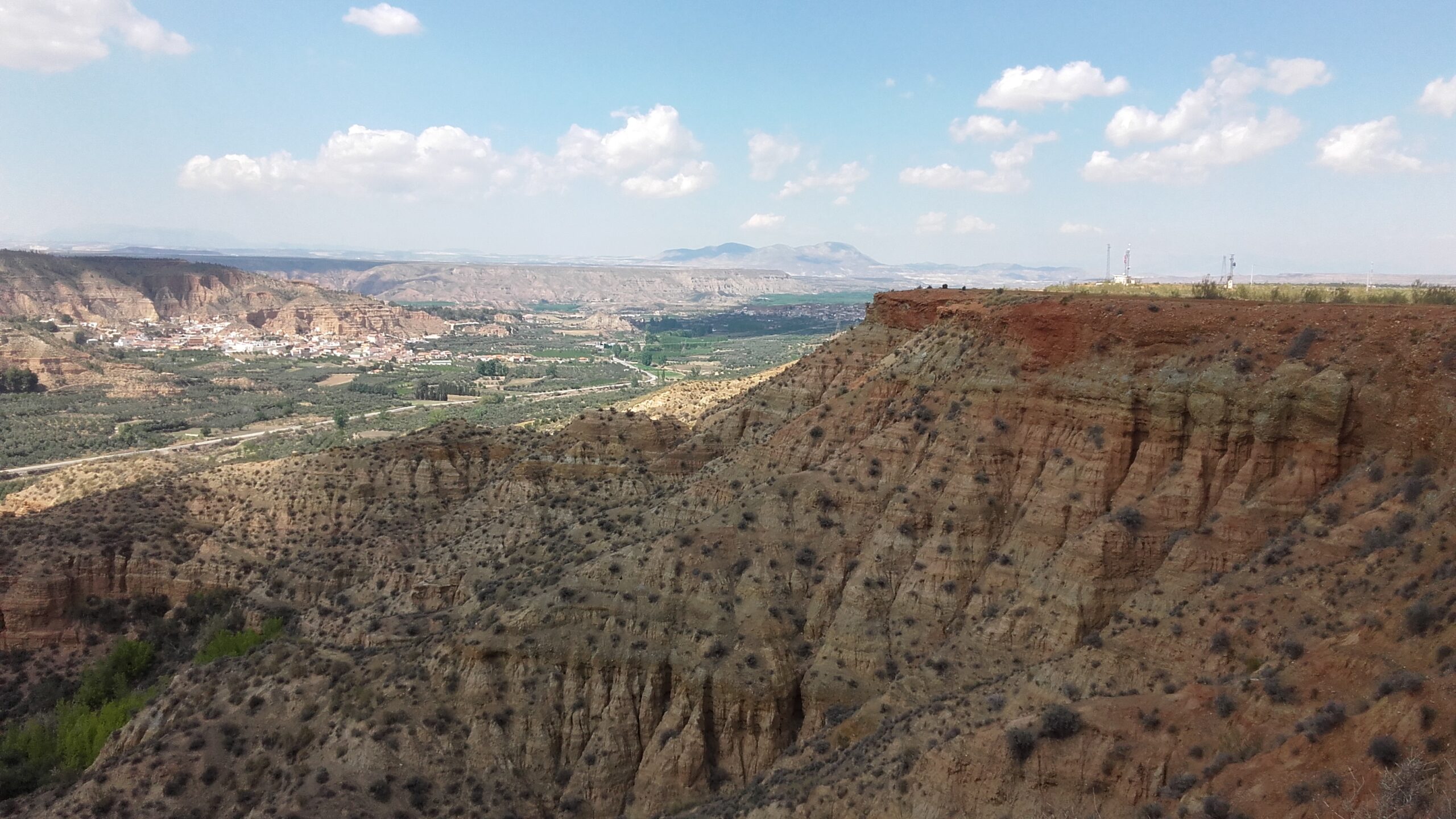
What makes this territory unique is its almost continuous geological record of the Quaternary period: for millions of years, a large lake and a river existed here which, upon drying up and eroding, exposed layers of sediment that can now be read like an open book in the form of gullies, badlands, and seismites (fossilized marks of ancient earthquakes).
The Landscapes and Values of the Geopark
From the subsoil to the surface: geology, prehistory, and ways of life that have been adapting to this territory for centuries.
Gullies and Badlands
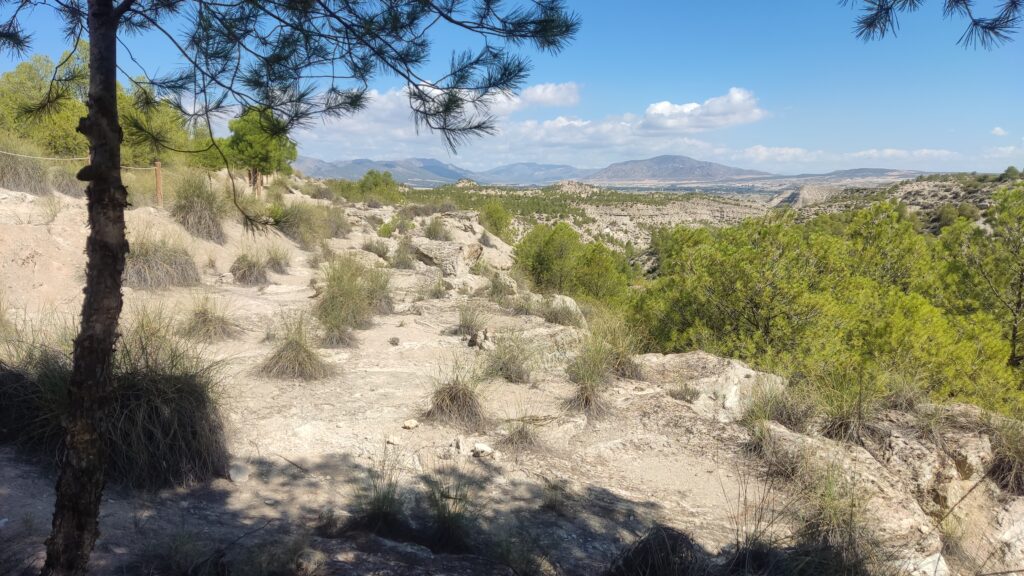
Thousands of ravines and ridges in ocher, reddish, and gray tones sculpted by erosion on Quaternary sediments, especially visible around Guadix and the Coloraos Desert.
Gorafe Dolmens
With more than two hundred cataloged megalithic monuments, the Gorafe necropolis forms one of the largest concentrations of dolmens in Europe.
Cave Houses
Dwellings excavated into the earth, inhabited since the Middle Ages, which continue to be home to thousands of people in Guadix and its region, in perfect harmony with the terrain’s geology.
Starkly Dark Skies
Low population density and minimal light pollution make the Geopark one of the best places in Andalusia for stargazing.
Quaternary Fossils
More than 150 sites containing the remains of large mammals that inhabited the ancient lake and river of the Guadix-Baza depression millions of years ago.
Festivals and Monuments
From the Cascamorras of Guadix, declared of International Tourist Interest, to the La Calahorra Castle: a territory where tradition is lived as much as it is contemplated.
Guadix, Gateway to the Granada Geopark
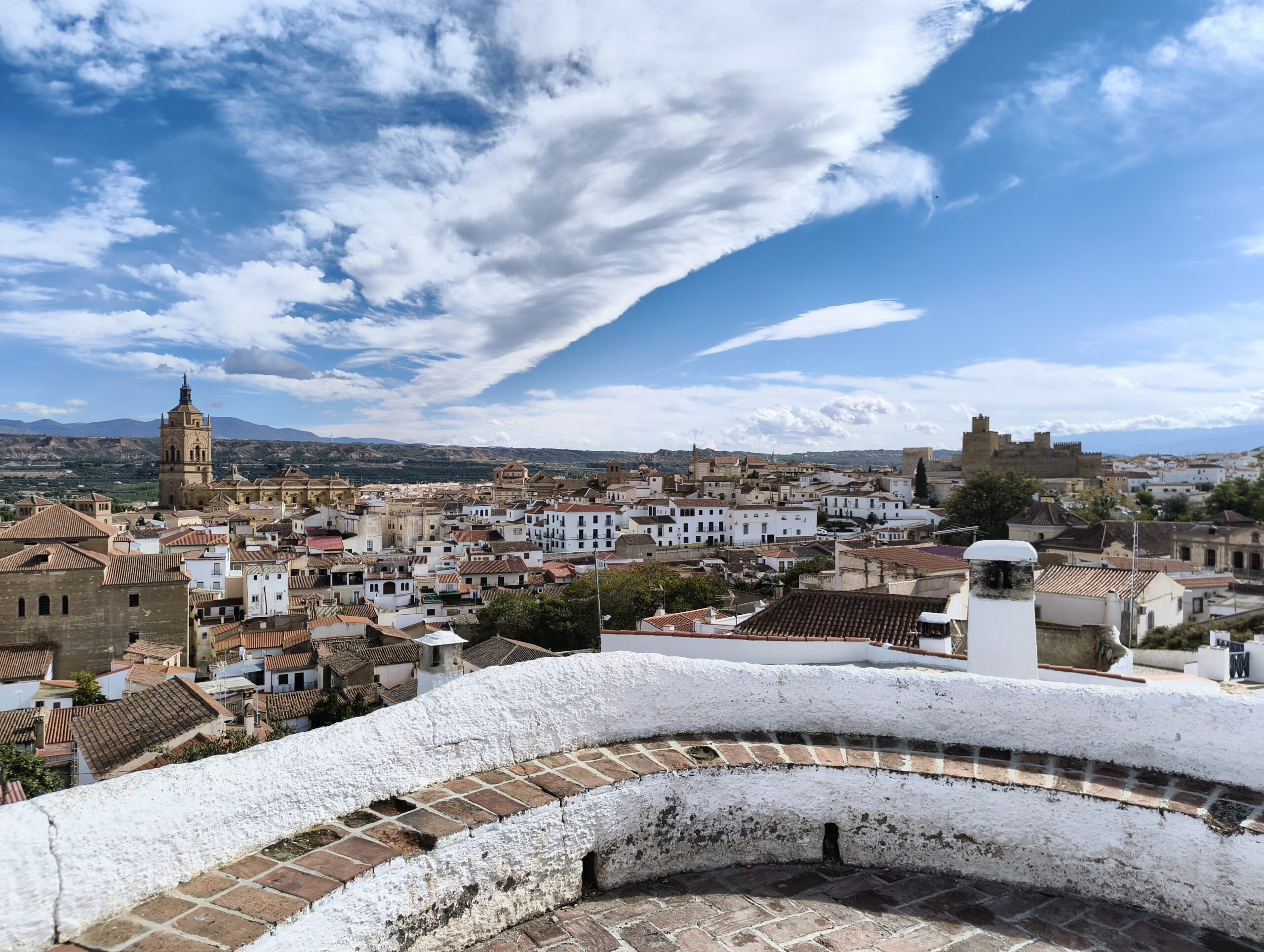
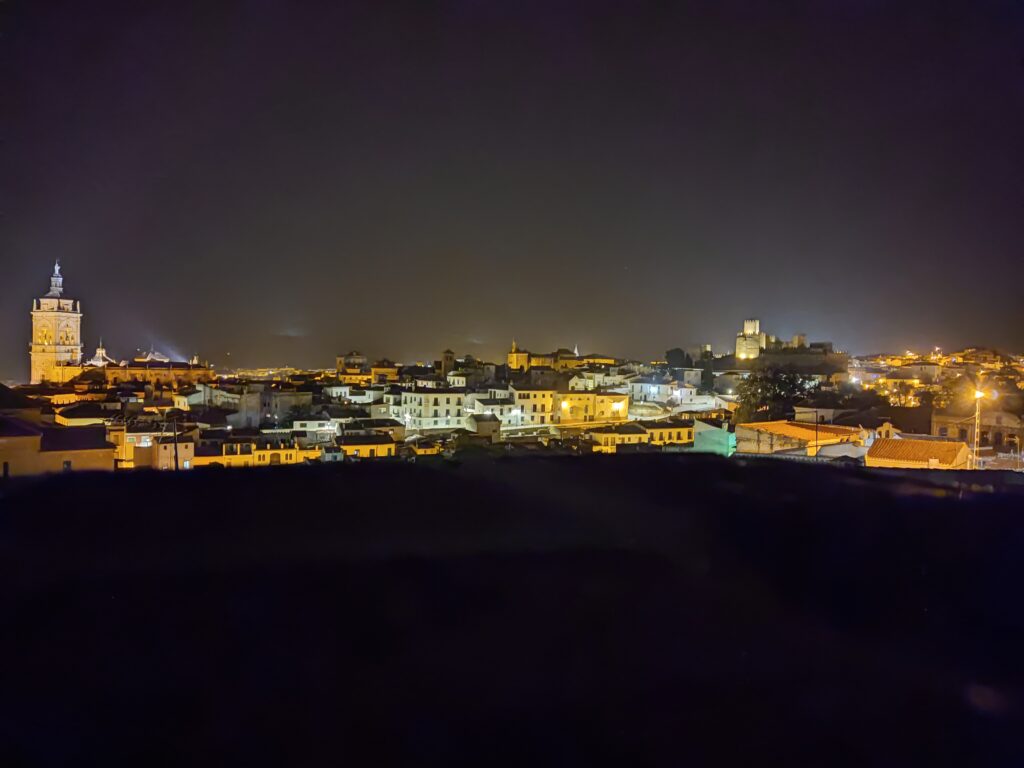
Guadix is one of the 47 municipalities of the Geopark and, along with Baza, its urban center with the richest monumental heritage. Its historic center preserves a Renaissance cathedral built over the ancient main mosque, an Alcazaba neighborhood of Moorish origin, and streets that summarize centuries of Andalusi and Christian history.
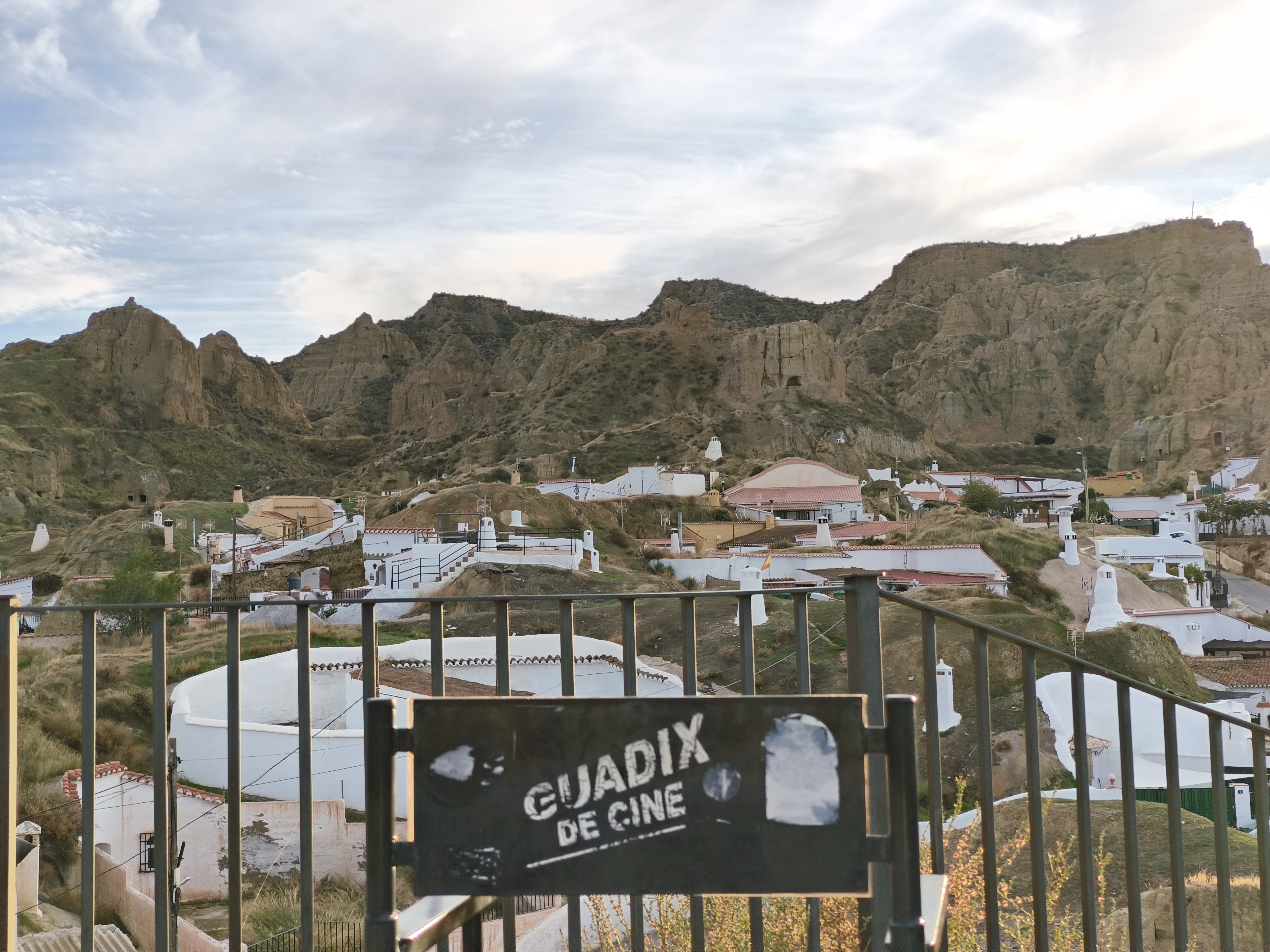
At the foot of this historic center lies the cave neighborhood, one of the largest complexes of inhabited cave houses in Europe: a unique landscape where white chimneys emerge from the reddish earth, and where daily life and an architecture excavated directly into the very sediments that brought geological fame to this territory still coexist today.
At Quo Wadis Tours we are specialists in guided tours of the historic center of Guadix and its cave neighborhood. For now, we do not organize routes to the geological sites of the Geopark, but this guide will help you understand the extraordinary landscape surrounding the city we explore with you.
We Answer Your Questions
What is the Granada Geopark?
It is a 4,722 km² territory in the northeast of the province of Granada, recognized as a Unesco Global Geopark in 2020 for its geological heritage, with more than 70 sites of geological interest spread across the regions of Guadix, Baza, Huéscar, and Los Montes.
Does Guadix belong to the Granada Geopark?
Yes. Guadix is one of the 47 municipalities of the Geopark and one of those with the highest concentration of cultural heritage, featuring its cathedral, its historic center, and the famous cave neighborhood inhabited for centuries.
Does Quo Wadis Tours organize visits to the geological sites?
Not currently. Our guided tours focus on the historic center of Guadix and its cave-house neighborhood. This page is informative, designed to give you insight into the unique geological context surrounding the city.
When is the best time to visit the area?
Spring and autumn offer mild temperatures ideal for walking through the historic center and the cave neighborhood. In summer, the midday hours can be very hot, so morning or sunset visits are highly recommended.
What is the difference between a geopark and a natural park?
A geopark is not an environmental protection designation, nor does it impose land-use restrictions: it is a recognition by Unesco of the scientific and educational relevance of a geological heritage, managed alongside the sustainable tourist and cultural development of the territory.