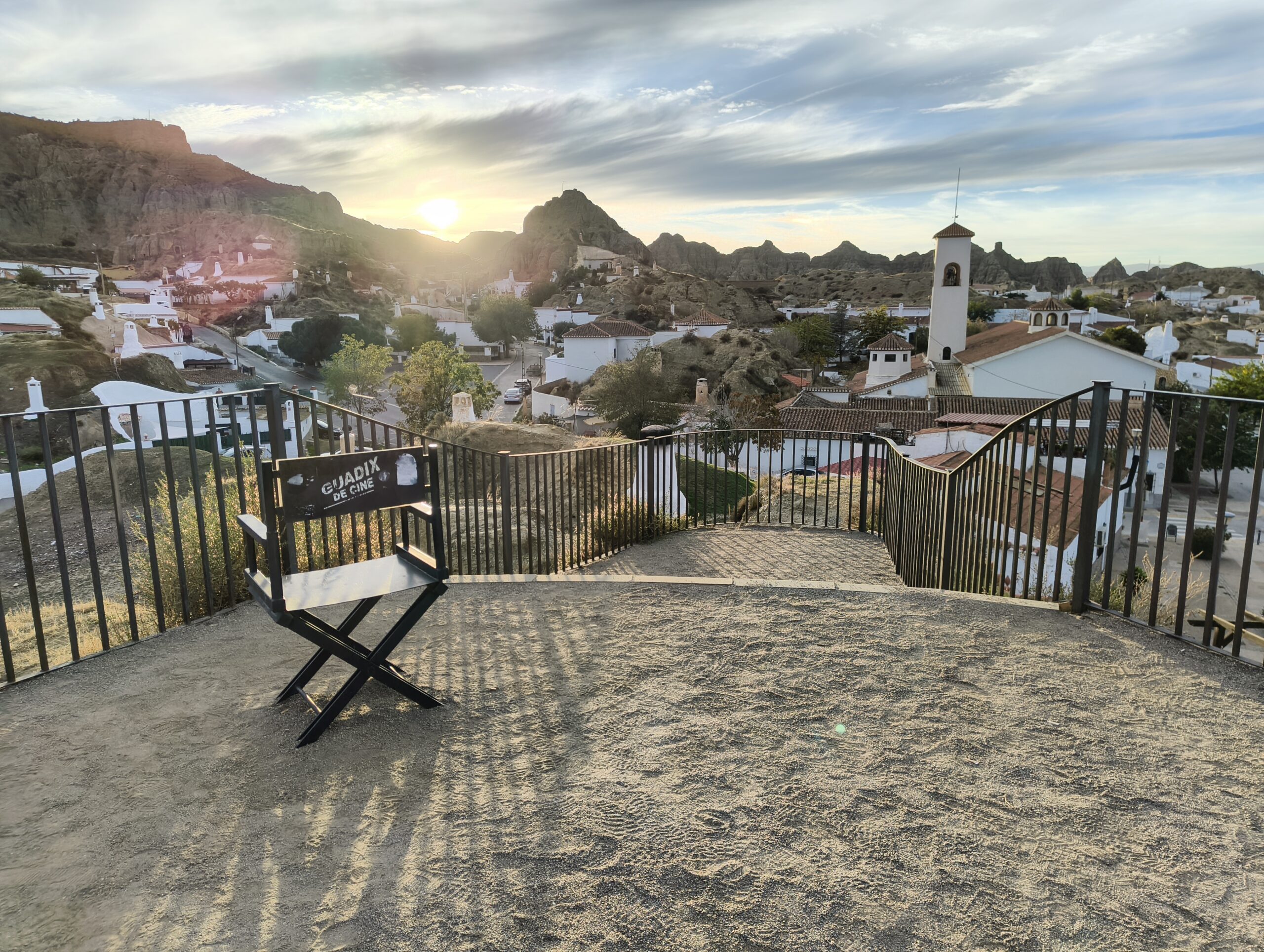
‘What is there to see in Guadix?’ is the question thousands of travellers ask themselves before venturing into one of Granada’s most unique landscapes. Known worldwide as the European capital of cave dwellings, this town offers a fascinating blend of Roman history, Arab heritage and an underground way of life that seems straight out of another world.
The town where thousands of people live underground. An Andalusian gem with 2,000 years of history that very few people know about.
Table of Contents
Guadix is one of the most unique towns in the whole of Spain. Located in the Granada Geopark, some 54 km from the city of Granada, this town harbours a fascinating secret: around 3,000 people literally live in the rock, in more than 2,000 excavated cave dwellings that maintain a constant temperature of between 18 °C and 22 °C all year round.
But Guadix is much more than just its famous caves. An imposing Renaissance cathedral, an Arab fortress with spectacular views and a unique historic centre make this town an essential stop on any tour of Andalusia.
01. The Cave-Dwelling Quarter
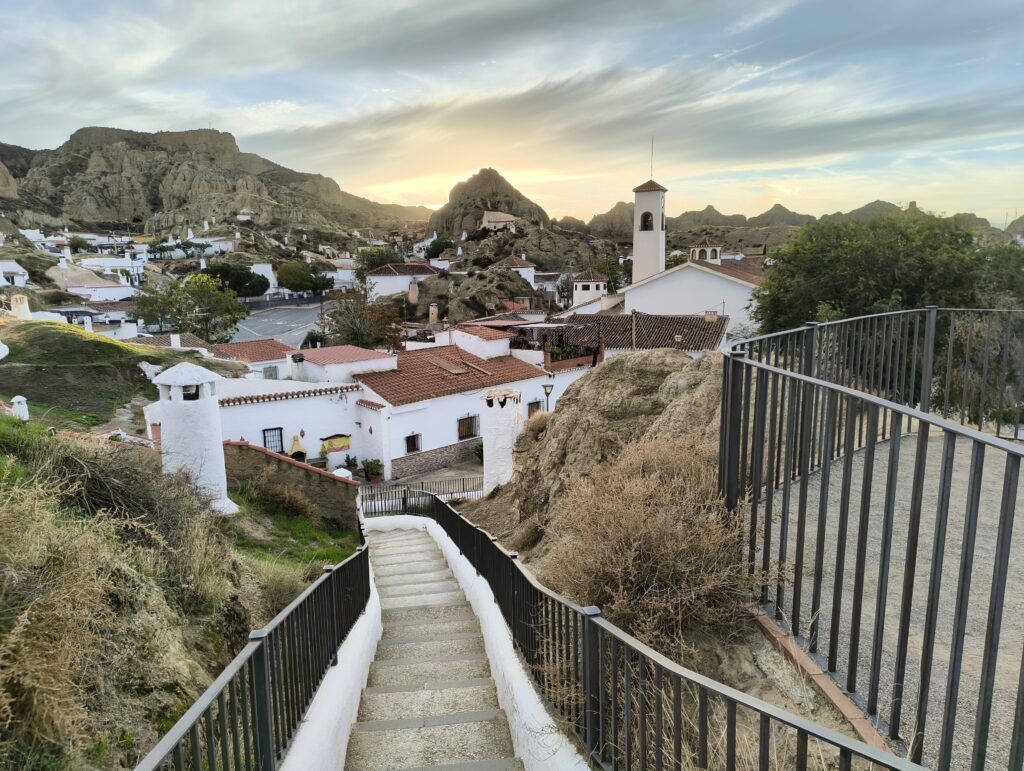
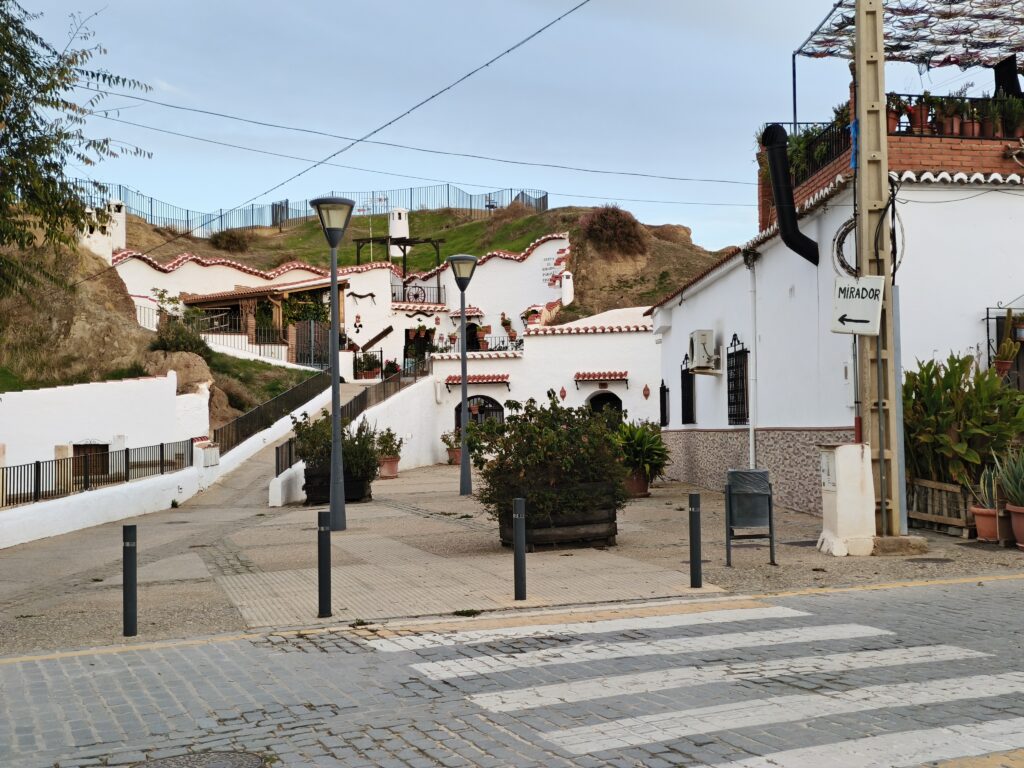
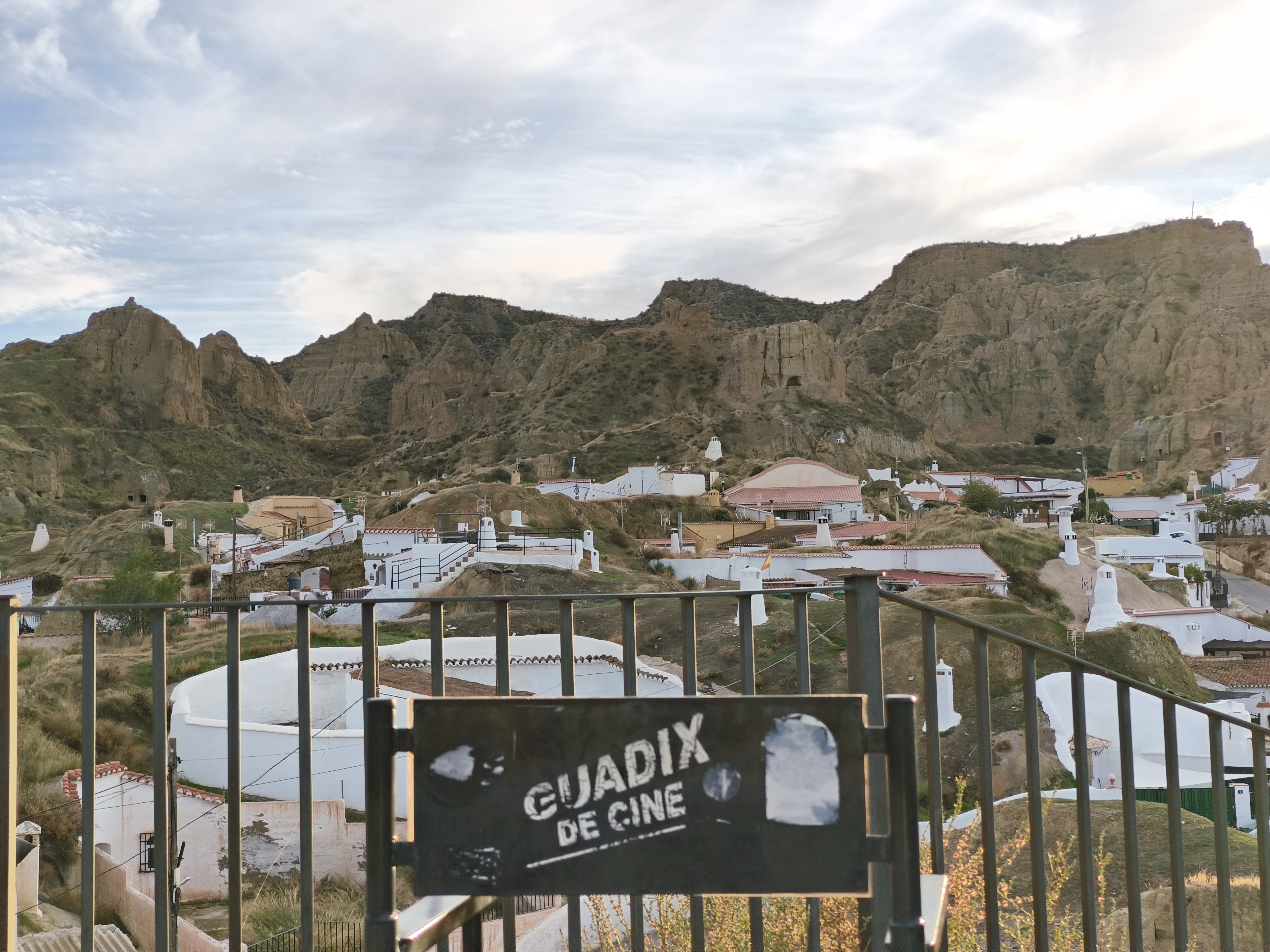
Without a doubt, Guadix’s main attraction is its cave-dwelling quarter, which has been designated a Site of Cultural Interest. This quarter is home to over 2,000 dwellings carved into the clay slopes, recognisable by their distinctive white chimneys peeking out from the earth.
The most surprising thing is that these houses are inhabited. They are not a museum: they are real homes where the residents live comfortably thanks to the natural insulation provided by the clay.
A Brief History of the Barrio de las Cuevas: From Shelter to Cave-Dwelling Capital
The clay hills surrounding Guadix have been inhabited since time immemorial, but the history of this unique underground neighborhood is a fascinating one:
- The Origins (Al-Andalus Period): Before being used as dwellings, these natural cavities and excavations in the soft earth served practical purposes as silos, agricultural storage areas, or small shelters. There was not yet a “neighborhood” as such.
- The Birth of the Neighborhood (15th–16th Centuries): Following the Conquest of Granada (1492), many Muslim residents were displaced to the outskirts. Faced with economic hardship, the clay offered a brilliant, inexpensive solution adapted to the extreme climate: digging their own homes.
- Consolidation (17th–18th Centuries): The caves ceased to be temporary solutions and became permanent homes. Families first dug out a living room and, as they grew, added bedrooms or pantries. This is when the landscape we see today took shape: rolling hills crowned by white chimneys.
- From Stigma to Resilience (19th–20th Centuries): For a long time, living in a cave was associated with the poorest classes. There were even political plans to eradicate them, but the neighborhood resisted. Families built streets, brought in electricity and water, and kept this unique architecture alive.
- The Revival of Cave Dwellings (21st Century): Starting in the 1980s, attitudes began to shift. Architects and residents started to recognize these dwellings as an exceptional example of bioclimatic heritage. Today, with more than 2,000 inhabited caves, Guadix stands as a model of living heritage where tradition, sustainable tourism, and local identity go hand in hand.
What to see in the cave district?
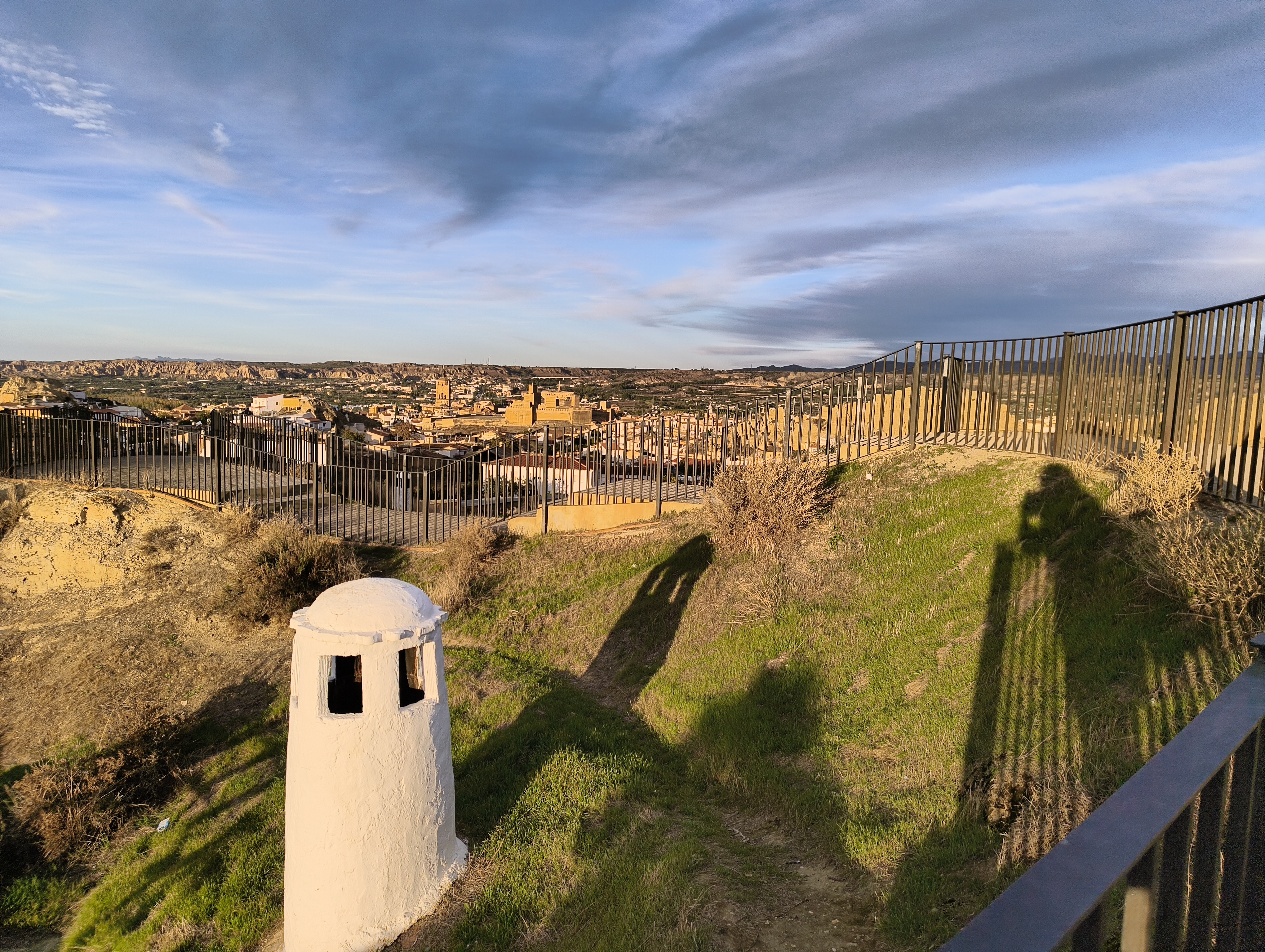
🏔️ Cave Viewpoints:
The most photographed spots: Padre Poveda Viewpoint and Cerro La Bala Viewpoint.
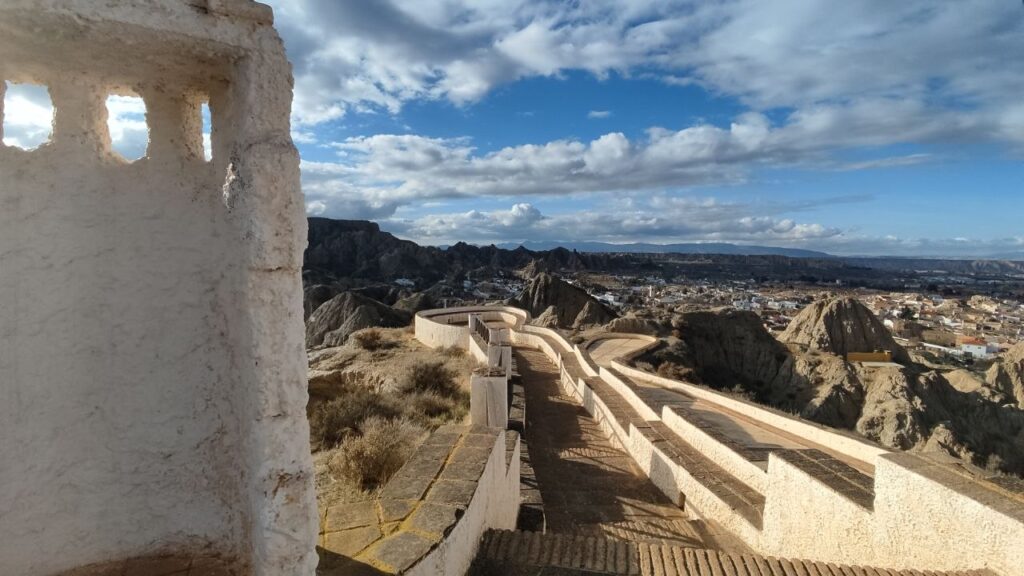
🚶 Walking tour of the neighborhood
Wandering aimlessly is a unique experience.
🛏️ Sleeping in a cave:
There are several hotels and guesthouses available. An experience you’ll never forget, especially because of the silence.
Parish Church of Our Lady of Grace
History
The history of this church is deeply intertwined with the unique setting of the cave district of Guadix.
The chapel dates back to the 16th century and is located in a cave that was originally a tahona (a bread-baking oven) carved into the clay of the hill.
This rock-hewn character has earned it the popular nickname “cave-chapel” or “Holy Cave of the Virgin of Grace.”
The cave district itself, according to historical maps, was built around hills, ravines, and gullies; the 1931 map describes the area of the Ermita Nueva as an “authentic sea of caves,” reflecting the area’s marginality and humble origins.
Cuevas de Guadix Cave Museum and Interpretation Center
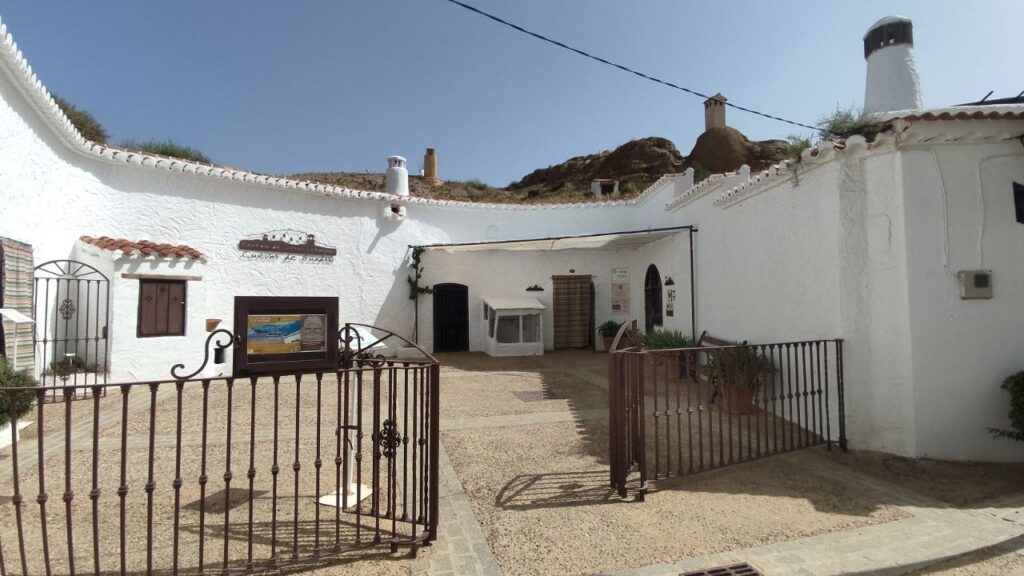
If you want to understand what life is like underground, the Cuevas de Guadix Interpretation Center is the perfect place to visit. It is an authentic cave dwelling that has been converted into an ethnological museum. You can explore the different rooms (kitchen, bedrooms, living room) just as they were furnished decades ago.
Duration: 30–45 minutes. Ideal for families.
02. Julio Visconti Foundation House Museum
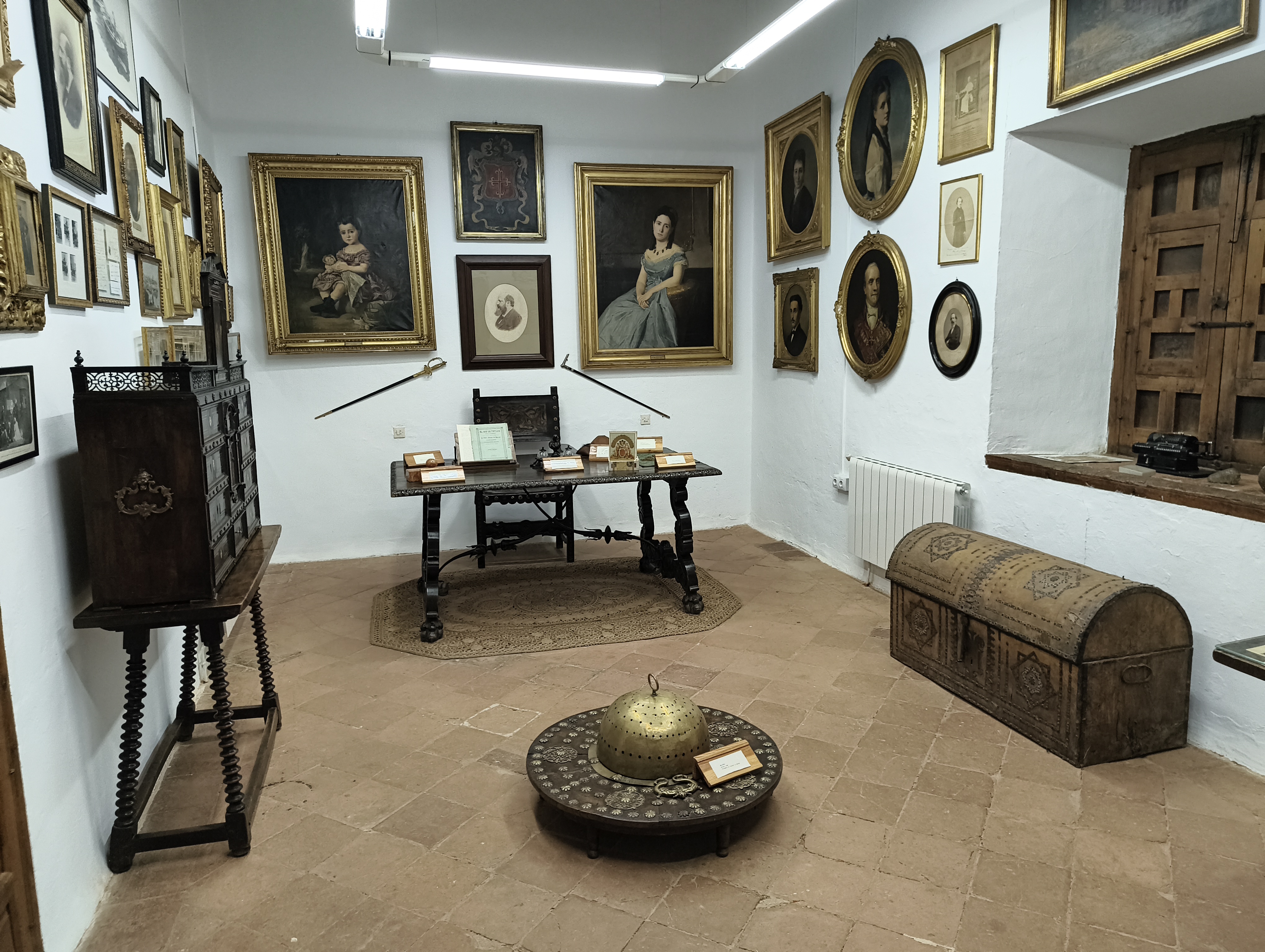
The Julio Visconti Foundation offers one of the most unique and lesser-known attractions in Guadix. It is housed in a 17th-century nobleman’s mansion that the renowned Almeria-born watercolorist Julio Visconti renovated and restored to serve as his home and personal studio.
In 2009, the artist donated the property to the foundation to preserve his legacy. Today, the space displays his valuable private collection, which ranges from his own paintings to period furniture and historic sculptures of great value.
The building possesses exceptional architectural charm: a quadrangular courtyard with stone Corinthian columns, wooden galleries, a tower-studio where the painter worked, and an orchard-garden irrigated by a functioning Arab irrigation channel. The visit offers an intimate experience quite different from conventional tourism.
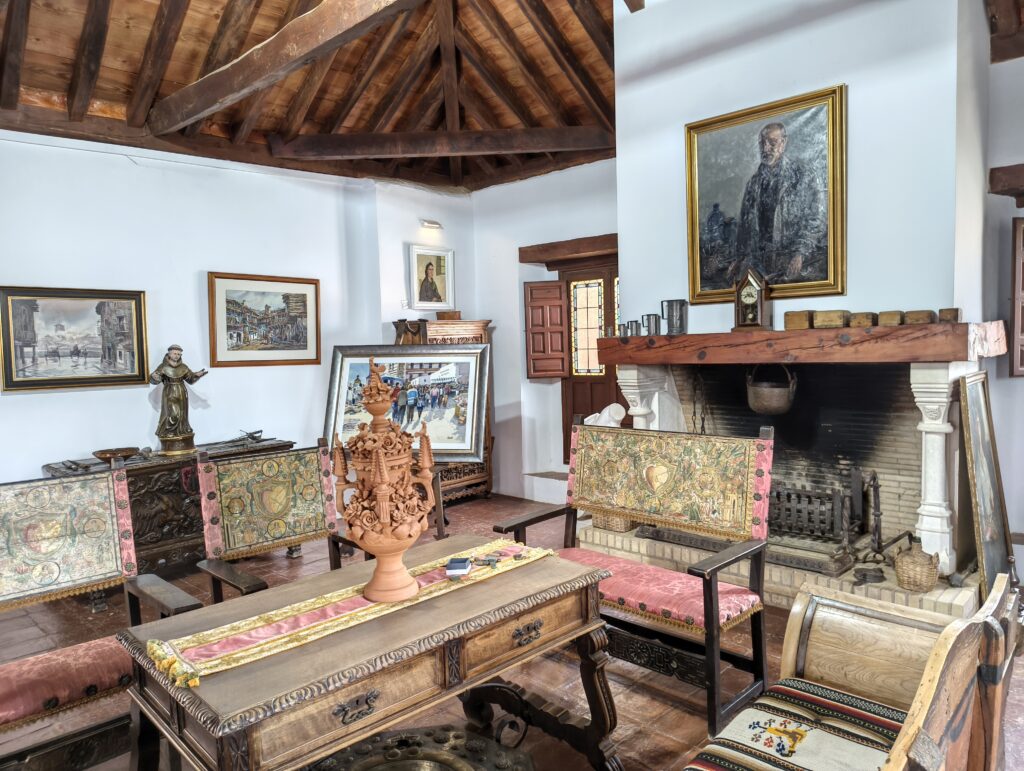
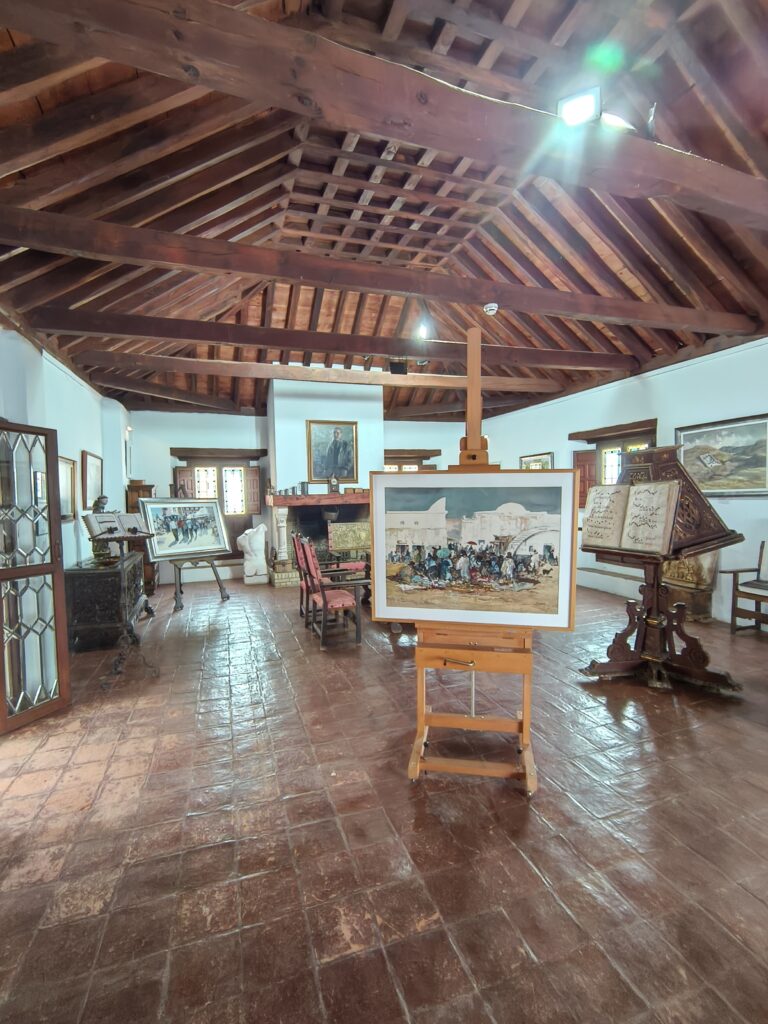
Fondation du Peintre Julio Visconti 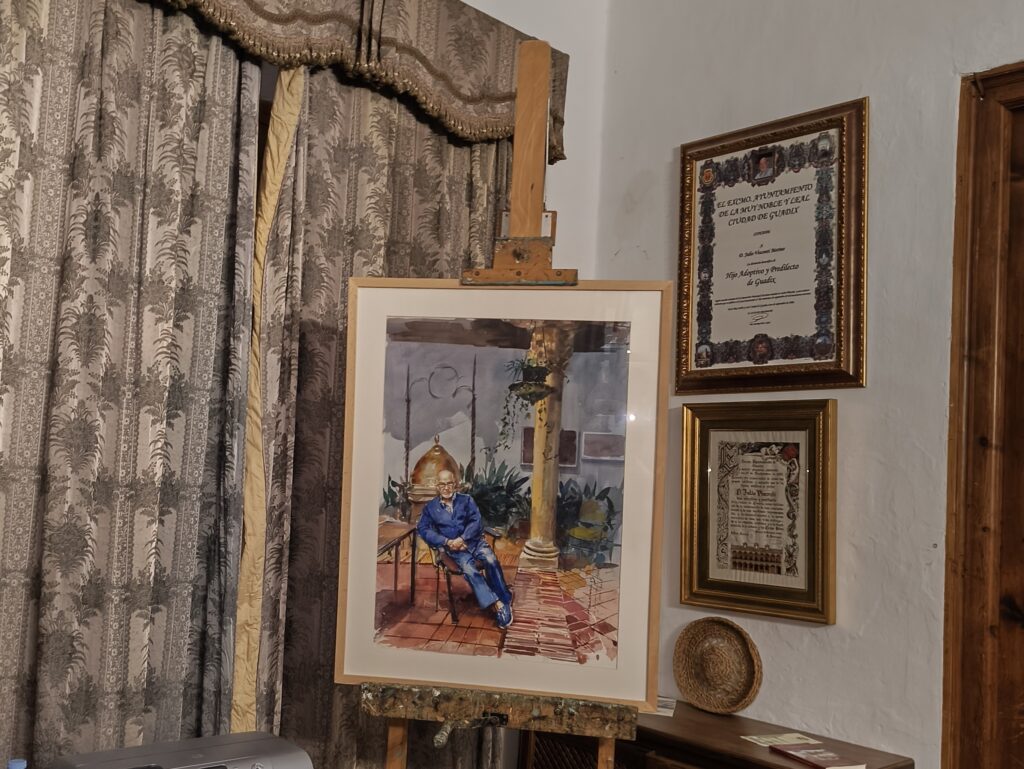
Julio Visconti Foundation 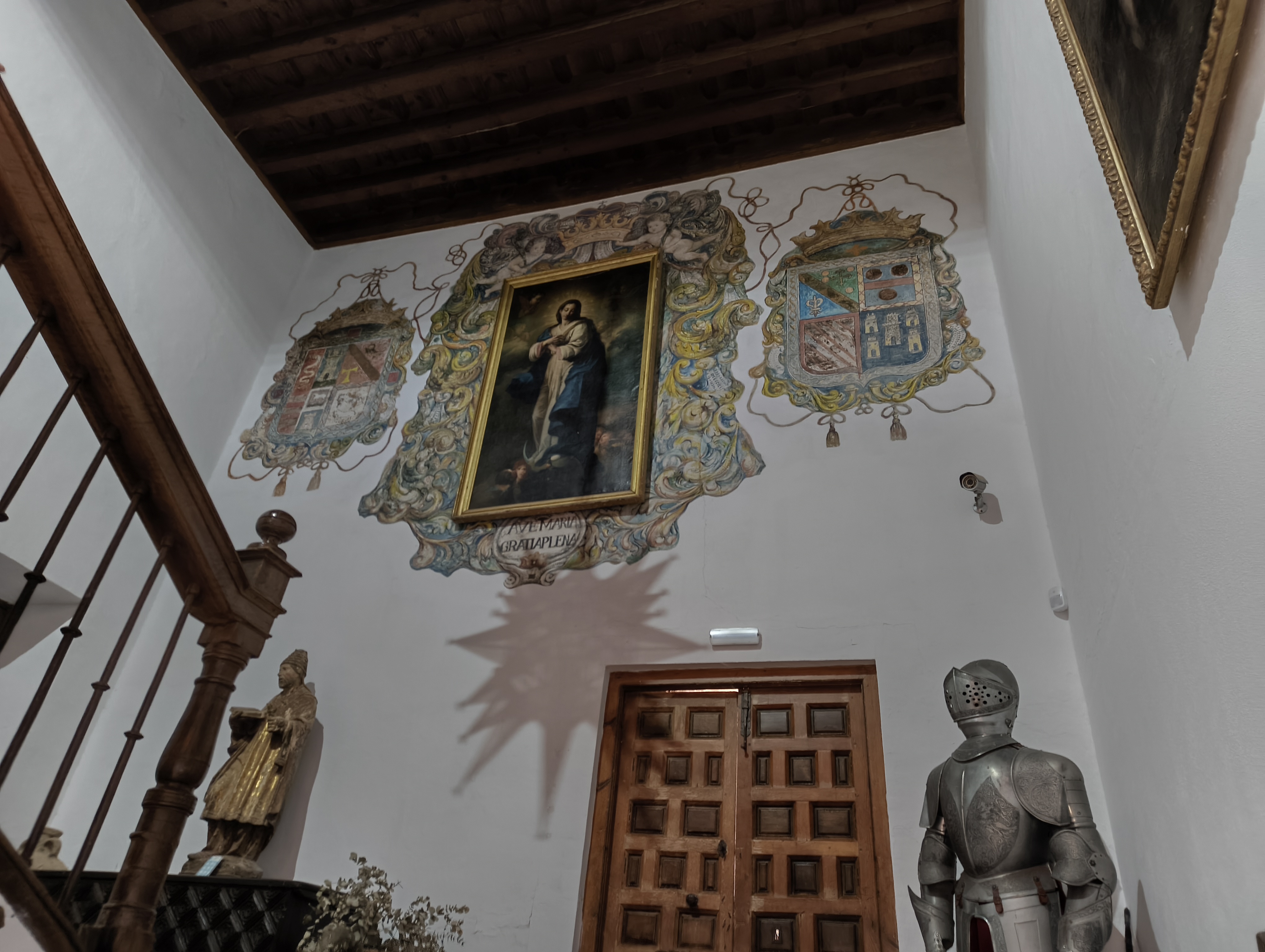
Julio Visconti Foundation
Alarconiana room
In addition, the mansion houses the so-called Alarconiana Room, a space dedicated to the life and work of the illustrious Accitan writer Pedro Antonio de Alarcón (1833–1891), a key figure bridging Spanish Romanticism and Realism. Guadix was his hometown, and this room brings together original documents, historical editions of his works, and biographical material that offers an intimate glimpse into the life of the author of The Three-Cornered Hat, among other celebrated works.
ℹ️ Practical Information
- Hours: Mon–Fri until 12:30 p.m. · Afternoons and Saturdays by request (min. 5 people)
- Price: approx. €2 per person.
- Website: Julio Visconti Foundation | Julio Visconti Foundation Official Website
03. Roman Theater of Guadix
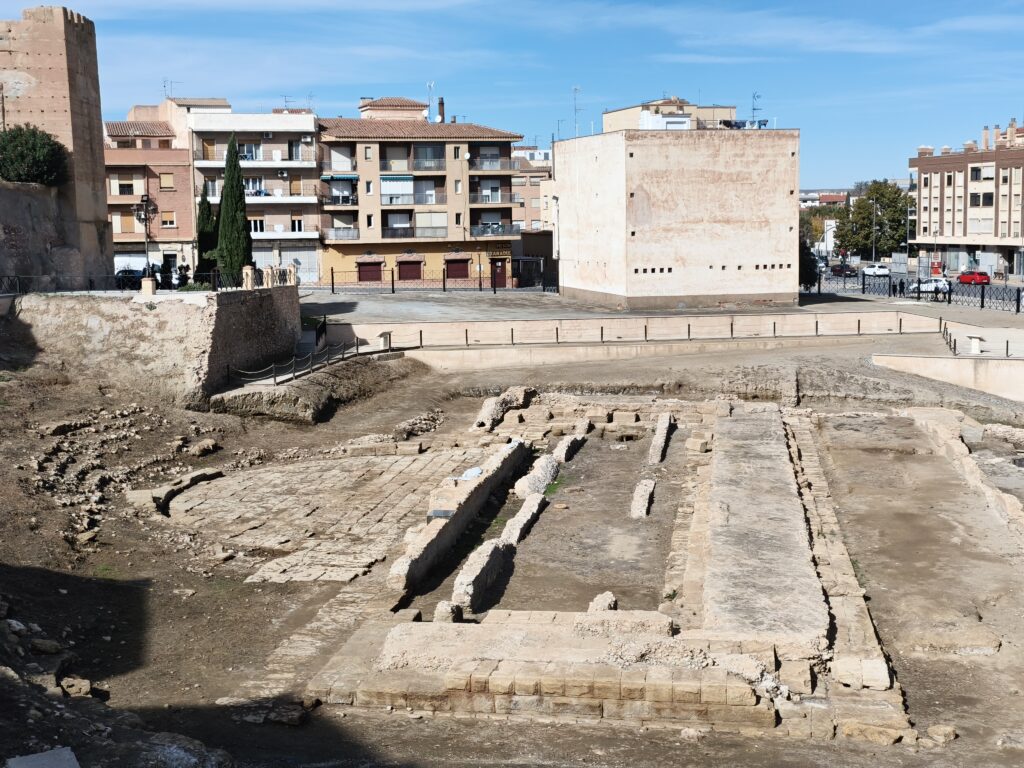
Beneath its streets, Guadix hides one of the most important archaeological sites in eastern Andalusia. The Roman theater of Acci—the city’s Latin name—dates back to the 1st century AD and was discovered by chance during construction work in the city center. Its discovery confirmed the strategic importance Guadix held during the Roman Imperial era as a privileged colony.
Guadix traces its roots to the Roman Empire under the name Colonia Julia Gemella Acci. Its founding was no accident but rather served three key strategic objectives:
- Settlement of veterans: To serve as a home and reward for soldiers discharged after battles.
- Territorial control: To dominate the southeastern part of the peninsula and its trade routes.
- Romanization: To organize and administer an area previously inhabited by Iberian peoples.
What does Julia Gemella Acci mean?
The name of the town conceals the identity of its founders and its history:
Acci: This is a place name of Iberian origin (from the city of Akti), which the Romans retained to ensure the settlement’s continuity.
Julia: This indicates that it was founded (or favored) by Julius Caesar or Emperor Augustus (of the Julio-Claudian dynasty). It is likely that the settlement was established after the Civil Wars of the 1st century BC to reward the troops’ loyalty.
Gemella (Twin or Double): There are two fascinating theories about this nickname:
The Legions: It is believed that veterans from two different legions settled in the city: Legio I and Legio II.
Dual Core: Other historians suggest that it refers to the coexistence of two parallel communities: the pre-existing Iberian settlement and the new Roman colony.
The Roman Theater: A Reflection of Acci’s Power
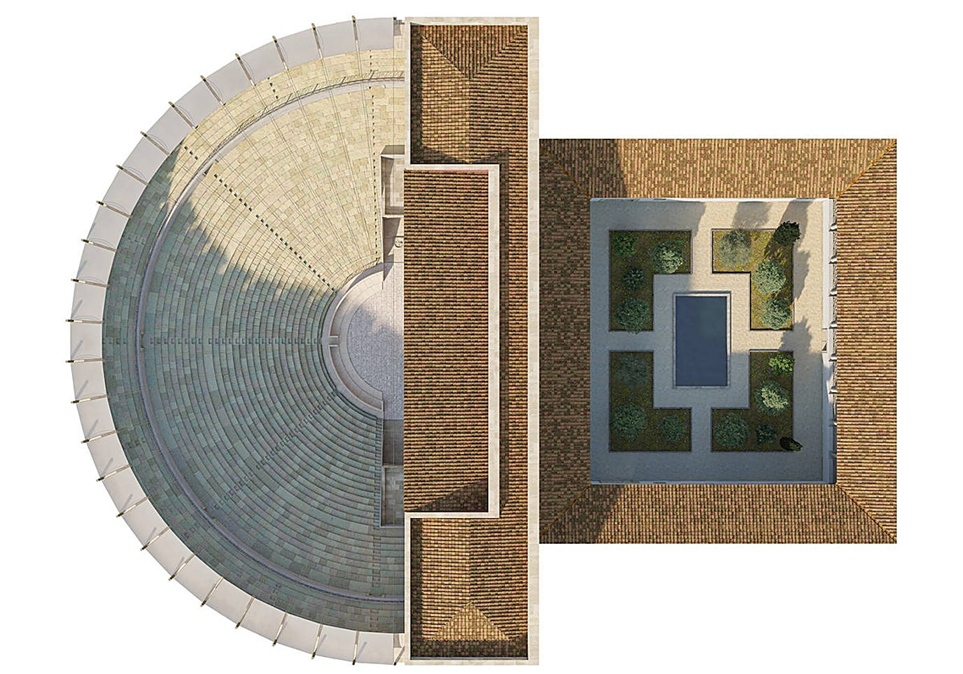
The splendor of ancient Guadix is evident in its impressive Roman Theater, a monumental complex covering nearly 6,000 m² built during the reign of Emperor Tiberius (around 25 AD).
Its existence is explained by an exceptional legal status: the city enjoyed the Ius Italicum (Italic Law).
The Privilege of the Ius Italicum
This was the highest honor a city outside the Italian peninsula could aspire to. Thanks to this privilege:
- The land of Acci was legally considered “Italian soil.”
- Its citizens were exempt from paying land taxes (the tributum soli).
- This immense wealth made it possible to finance projects of astonishing scale, such as the theater we see today.
A Unique Gem: the Porticus post scaenam
What makes the theater in Guadix unique in the world is its porticus post scaenam (a colonnaded portico behind the stage).
State of Preservation: Curiously, this is the best-preserved part of the entire monumental complex, allowing us to imagine the spectators’ strolls during intermissions 2,000 years ago.
Rarity: It is one of the very few theaters in the entire Roman Empire (estimated at barely twenty, and only four in Hispania) that featured this structure.
Although excavations have unearthed part of the cavea, the orchestra, and various structural elements, the site remains the subject of ongoing archaeological study and research. What makes this theater particularly unique is its location: it lies literally beneath the city’s historic center, buried under centuries of later constructions that gradually covered and preserved its remains.
A visit to the site gives a clear sense of the scale and significance of the original theater, which once could seat several thousand spectators.
Practical information
Website: Acci Roman Theater | Guadix Roman Theater website
04. Guadix Cathedral
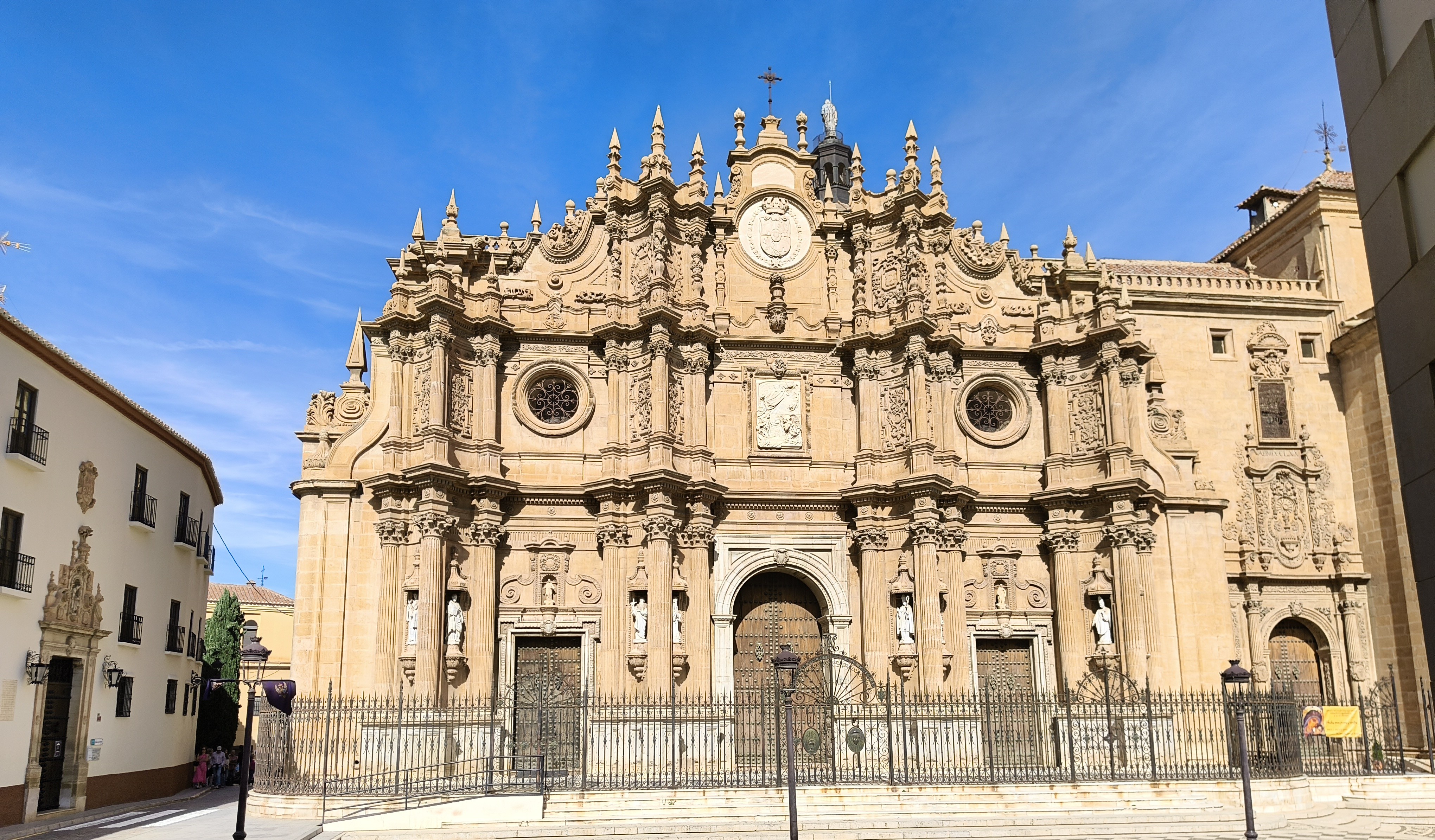
The Cathedral of the Incarnation in Guadix is one of the most impressive monuments in Andalusia. Construction began in the 16th century on the site of an old mosque and lasted nearly 300 years, which explains its blend of Gothic, Renaissance, and Baroque styles.
Its 18th-century Baroque façade is particularly striking. The interior houses works of great value, such as the main altarpiece and the choir stalls.
The facade and its best-kept secret
There is a detail that is easily overlooked, even by many visitors: the presence of Saint Peter and the Seven Apostolic Men. This sculptural ensemble holds one of the most fascinating—and least known—stories of Guadix Cathedral.
At the top, Saint Peter appears as the first pontiff and symbol of the universal Church. Surrounding him, the Seven Apostolic Men—Saint Torquatus, Saint Theophilus, Saint Indalectus, Saint Secundus, Saint Euphrasius, Saint Cecilia, and Saint Hesychius—represent the origins of Christianity in Hispania. According to tradition, these seven disciples were sent by Saint Peter himself from Rome in the 1st century to evangelize the southern part of the Iberian Peninsula. Saint Torcuato, the patron saint of Guadix, was the first among them, and his missionary work is considered the starting point of the Christian faith in the city.
The current sculptures, depicting Saint Peter and the Seven Apostles, were created in 1992 by the sculptor Mariángeles Lázaro Guil using Macael marble. The original sculptures were lost during the Civil War, and thanks to this contemporary work, the artist restored the façade’s original iconography, blending Baroque tradition with a modern sensibility.
Cathedral 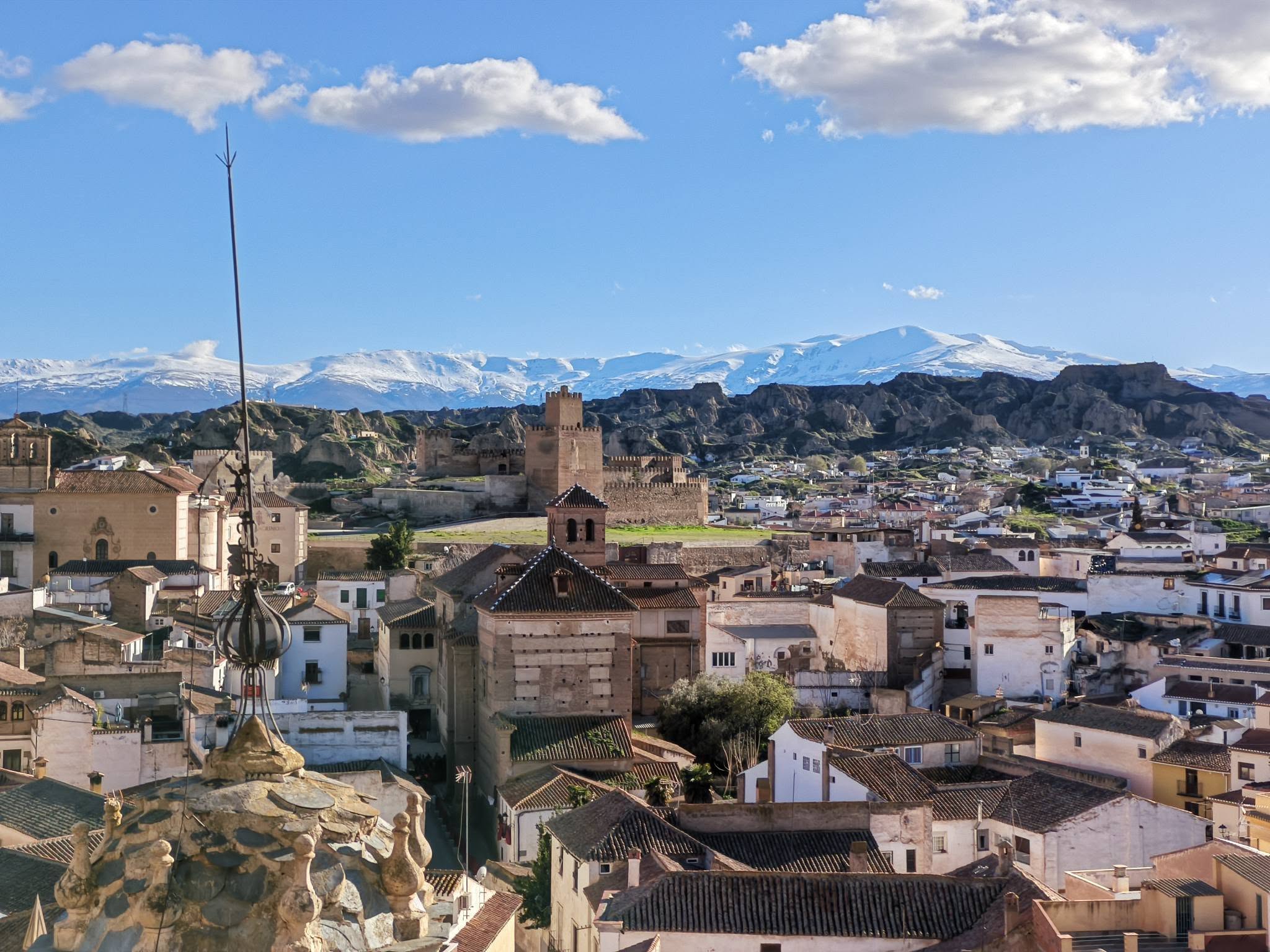
Views from the cathedral tower
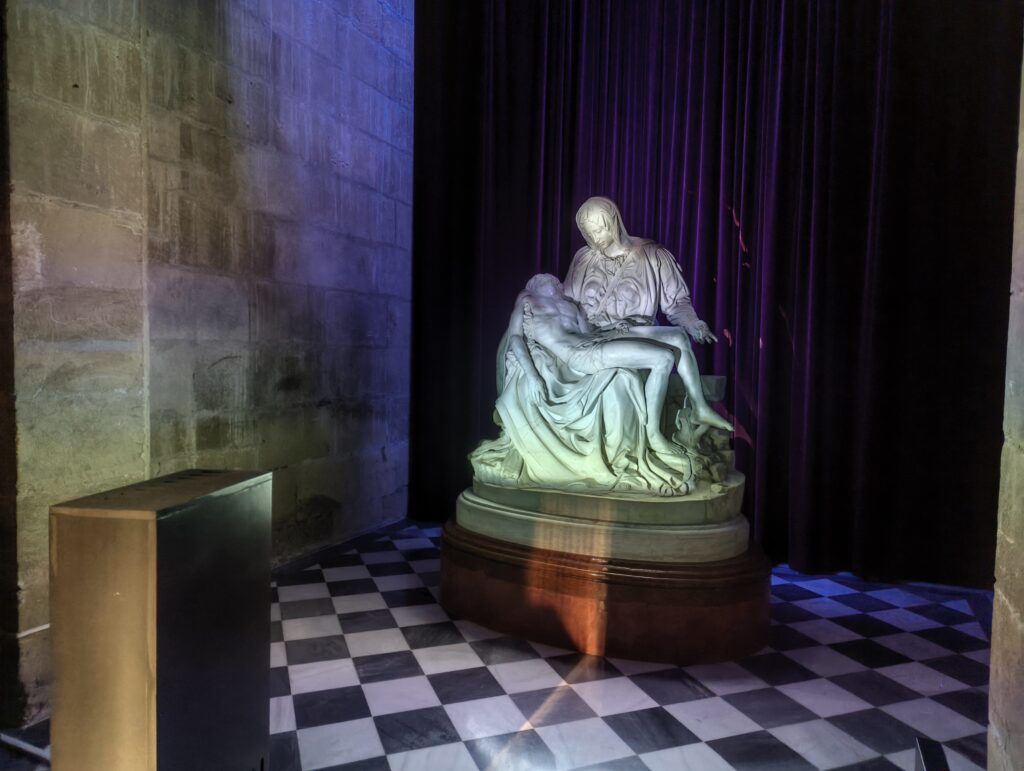
What to see inside: the Pietà of Guadix, one of the most faithful replicas of Michelangelo’s work
Inside Guadix Cathedral stands one of the most unique works of contemporary sacred art: a marble replica of Michelangelo’s famous Pietà, the original sculpture that presides over St. Peter’s Basilica in the Vatican.
Carved from Carrara marble in the early 20th century using the “point-tracing” method directly from the original, this copy was exhibited at the Bologna Art Salon around 1930, where it won first prize for sculpture.
It was acquired by Manuel Martínez-Carrasco Reyes Almansa, the Spanish consul in Bologna, to preside over his mother’s funeral chapel—aptly named Pietà—in the Church of Santiago in Guadix.
During the Spanish Civil War, the sculpture was severely damaged. Decades later, in 2001, the sculptor Mariángeles Lázaro Guil undertook its restoration, taking measurements from the Vatican’s original to restore its form and beauty. Thanks to this meticulous work, the Pietà of Guadix regained its splendor and was permanently installed in the Chapel of San Torcuato in the Cathedral.
Today, this piece stands out not only for its artistic value but also for its profound symbolic significance: it represents Guadix’s resilience and commitment to preserving its heritage.
In addition, its history is brought to life through an immersive video mapping experience that combines light, sound, and images to reveal the secrets of this impressive work to visitors.
ℹ️ Practical Information
Tip: Don’t miss climbing the tower—the views over the old town are the best in the city.
05. The Alcazaba
The name “Alcazaba” comes from the Arabic term al-qasbah, which means “citadel.” More than just a building, it was a small urban fortress designed to fulfill several vital functions:
A “city” within the city: Inside, there were not only soldiers; it housed a small military garrison that formed its own neighborhood with its own living quarters, warehouses, and services.
Seat of power: It served as the official residence for the governor and local authorities.
Strategic defense: Its primary mission was to protect the city and the surrounding territory from potential attacks.
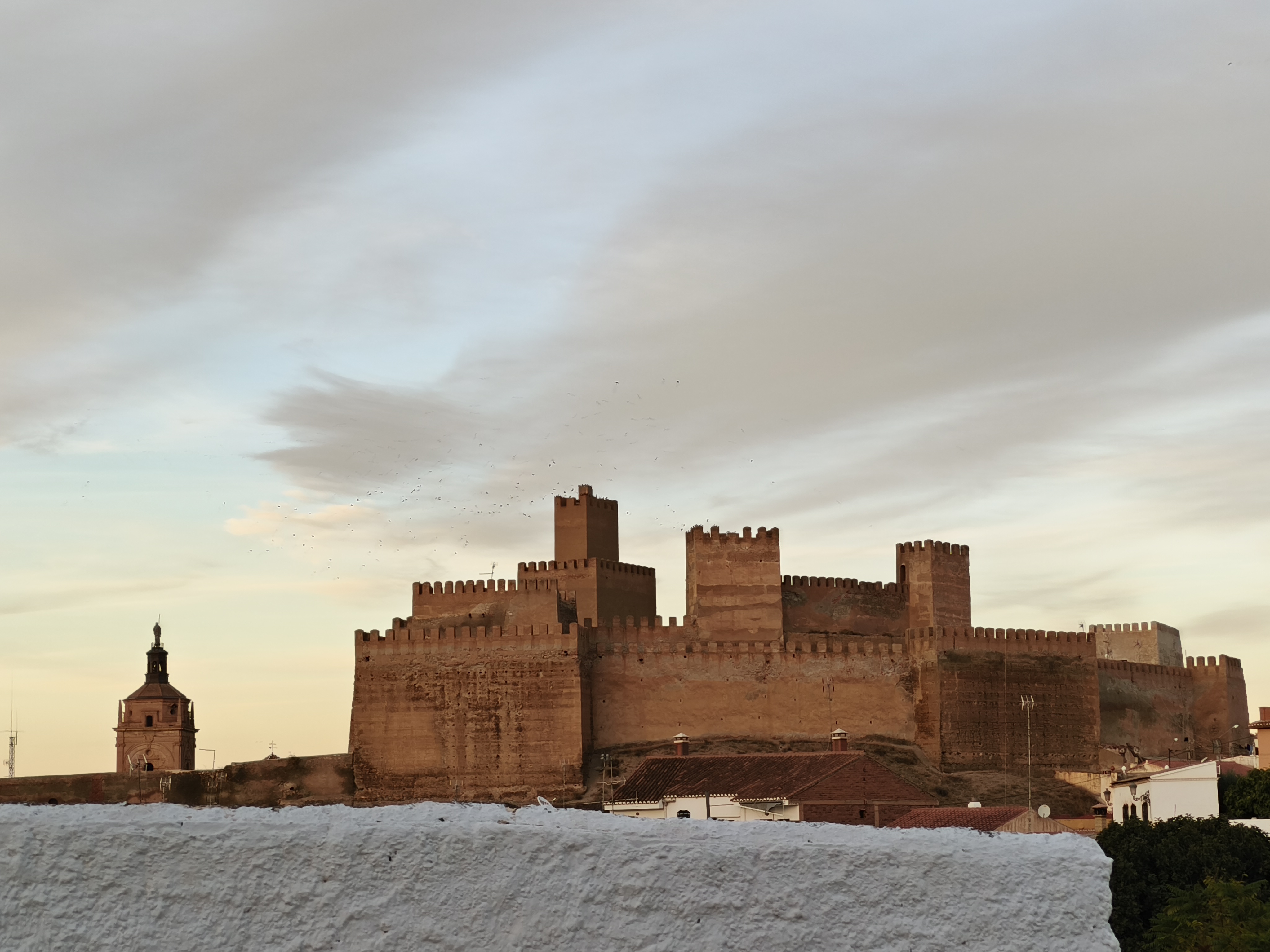
Construction of the Alcazaba of Guadix likely began around the 11th century, under the Zirid dynasty (Taifa of Granada). Over the following centuries, particularly during the Almohad and Nasrid periods, the fortress was expanded and reinforced.
Perched atop the historic district, the Alcazaba of Guadix has witnessed the passage of caliphs from the Zirid dynasty, Christian kings, and entire generations of Guadix residents. Its unmistakable reddish silhouette is one of our city’s oldest landmarks and a symbol of cultural coexistence.
During the Nasrid period, the complex took on new defensive importance along the eastern border of the Kingdom of Granada. The towers were reinforced, the walls expanded, and the fortress became an essential bastion for controlling the territory.
With the Christian conquest in 1489, the Alcazaba changed hands and gradually lost its military role. However, its presence continued to shape the urban landscape, as a symbol of continuity between cultures. In 1931, it was officially recognized as a National Historic-Artistic Monument, a title that underscores its value as an architectural and human testament.
The site still features several towers and sections of the city wall.
Did you know…? During the French occupation in the 19th century, the Alcazaba of Guadix was used as barracks and a military observation post by Napoleon’s troops.
Tip: Combine this visit with a stroll through the Cerro de la Bala neighborhood, where you’ll find some very photogenic streets.
The exterior tour of the Alcazaba is included in our guided tours: “Essential Guadix” and “Millennial Guadix.”
06. Other places to see in Guadix
- Plaza de la Constitución: The social heart of the city. A 17th-century arcaded square, rebuilt after the Civil War.
- Church of Santiago: A jewel of Spanish Mudejar Gothic architecture. Its ornate façade is one of the most beautiful in the province of Granada.
- Santa Ana – Moorish Quarter: The old Arab quarter with narrow streets that retain their medieval charm.
- Magdalena Viewpoint.
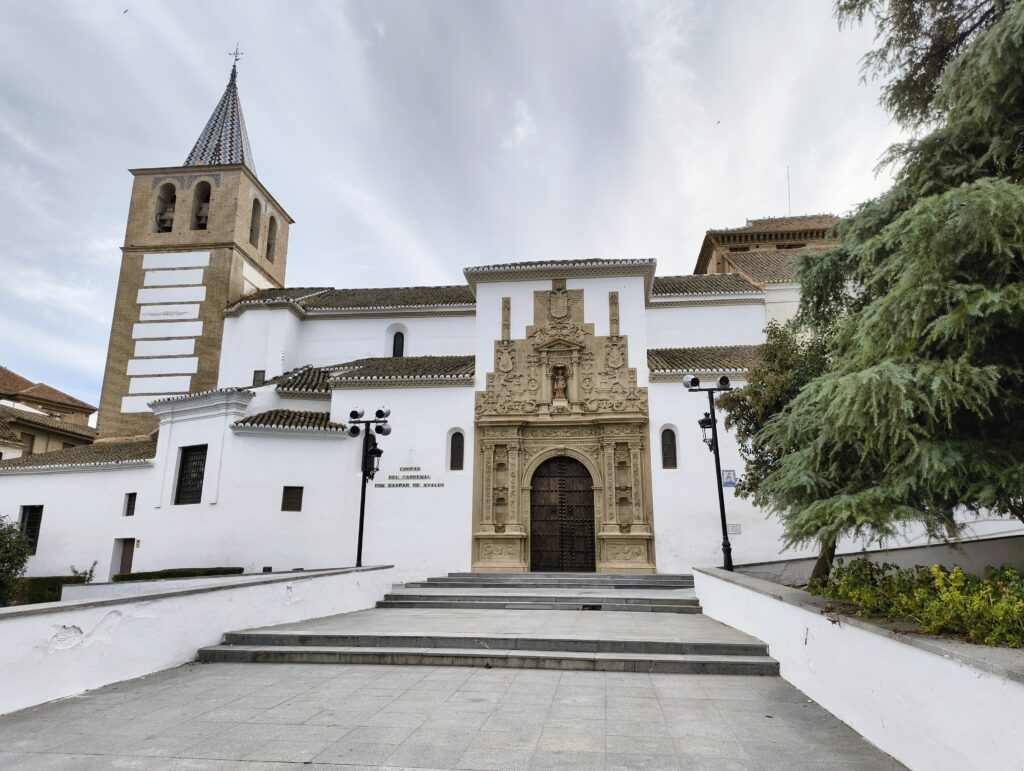
Iglesia de Santiago 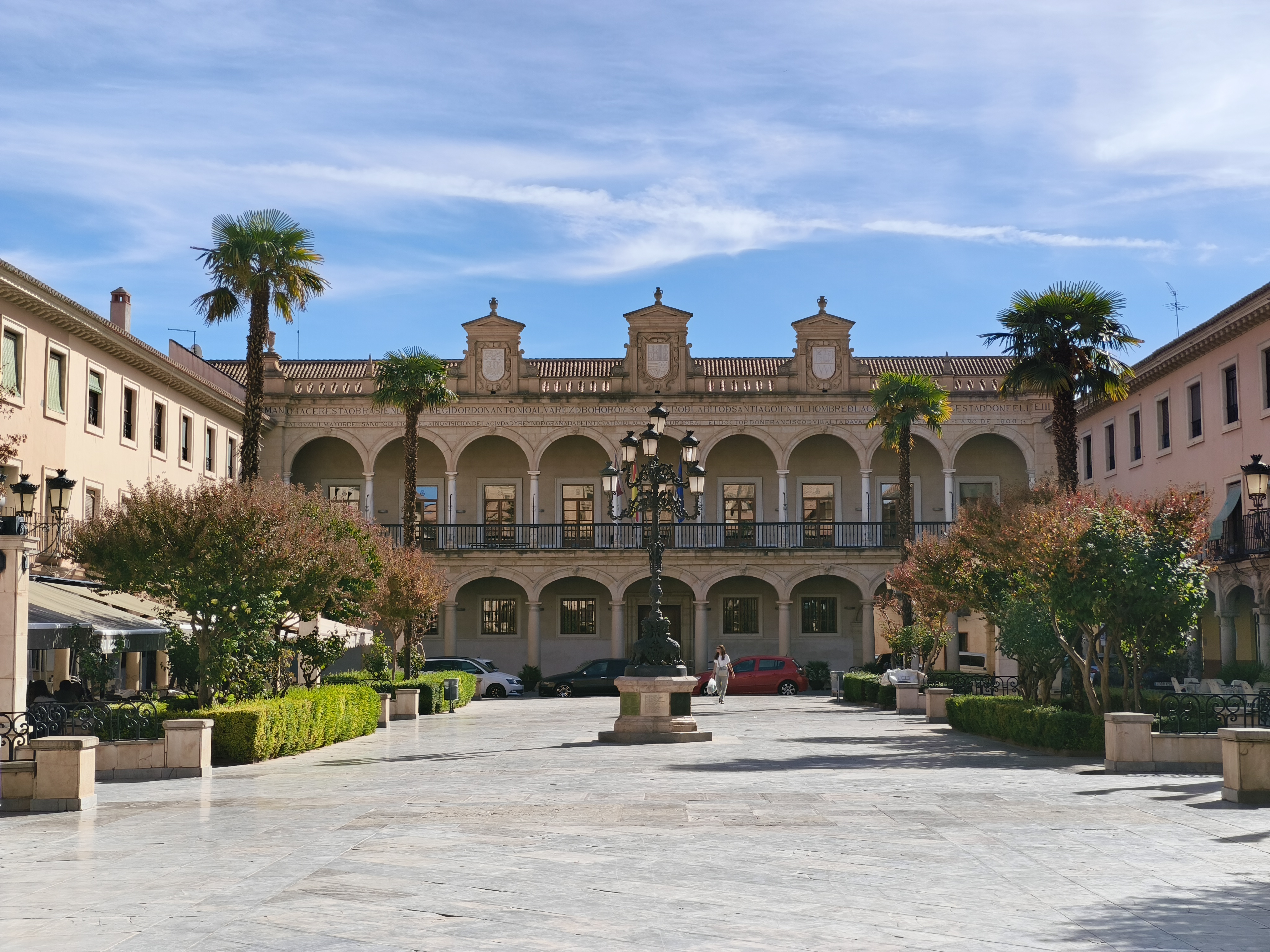
Plaza de la Constitución 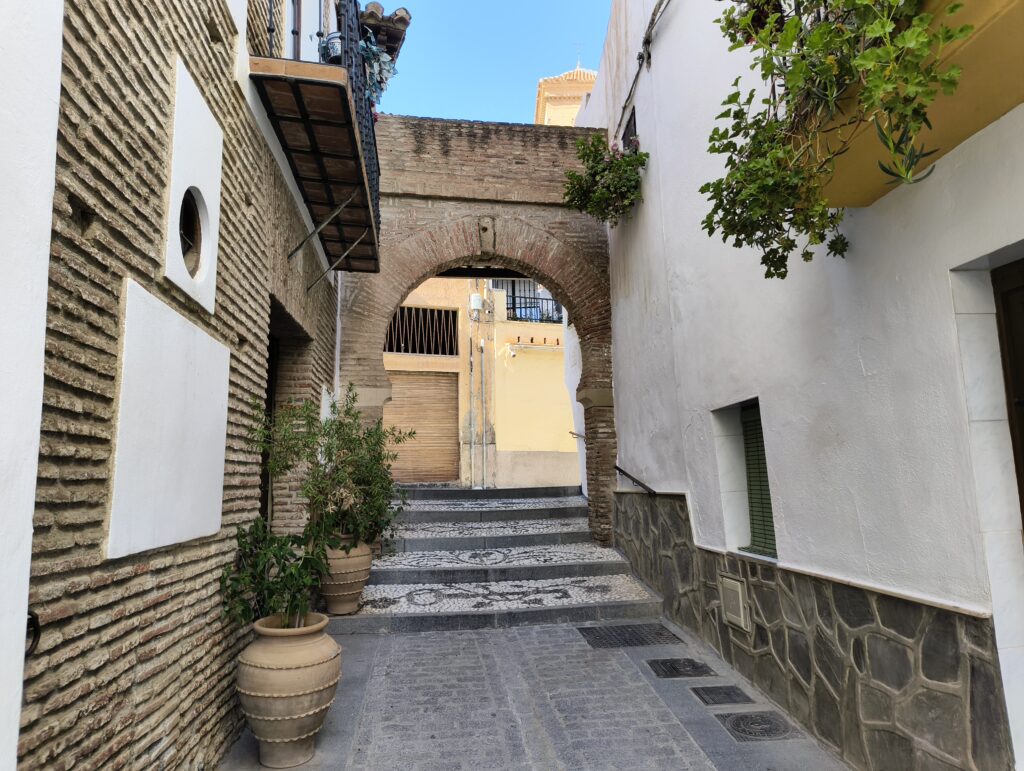
Barrio de la Moreria. Santa Ana 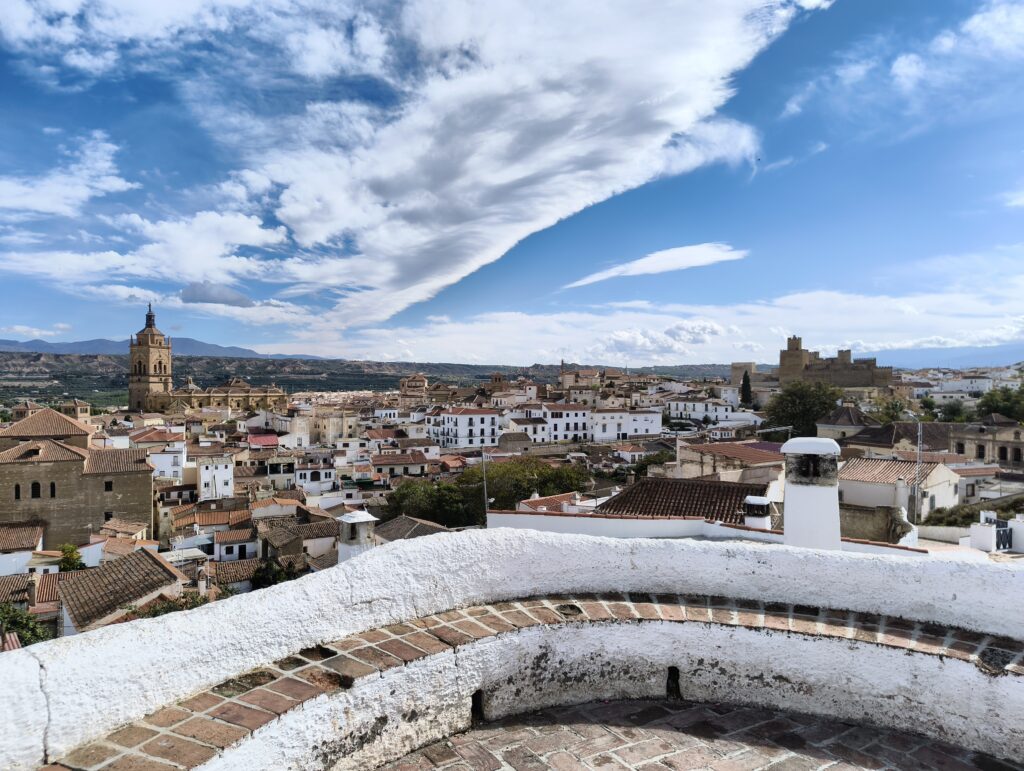
Vistas desde el Mirador de la Magdalena
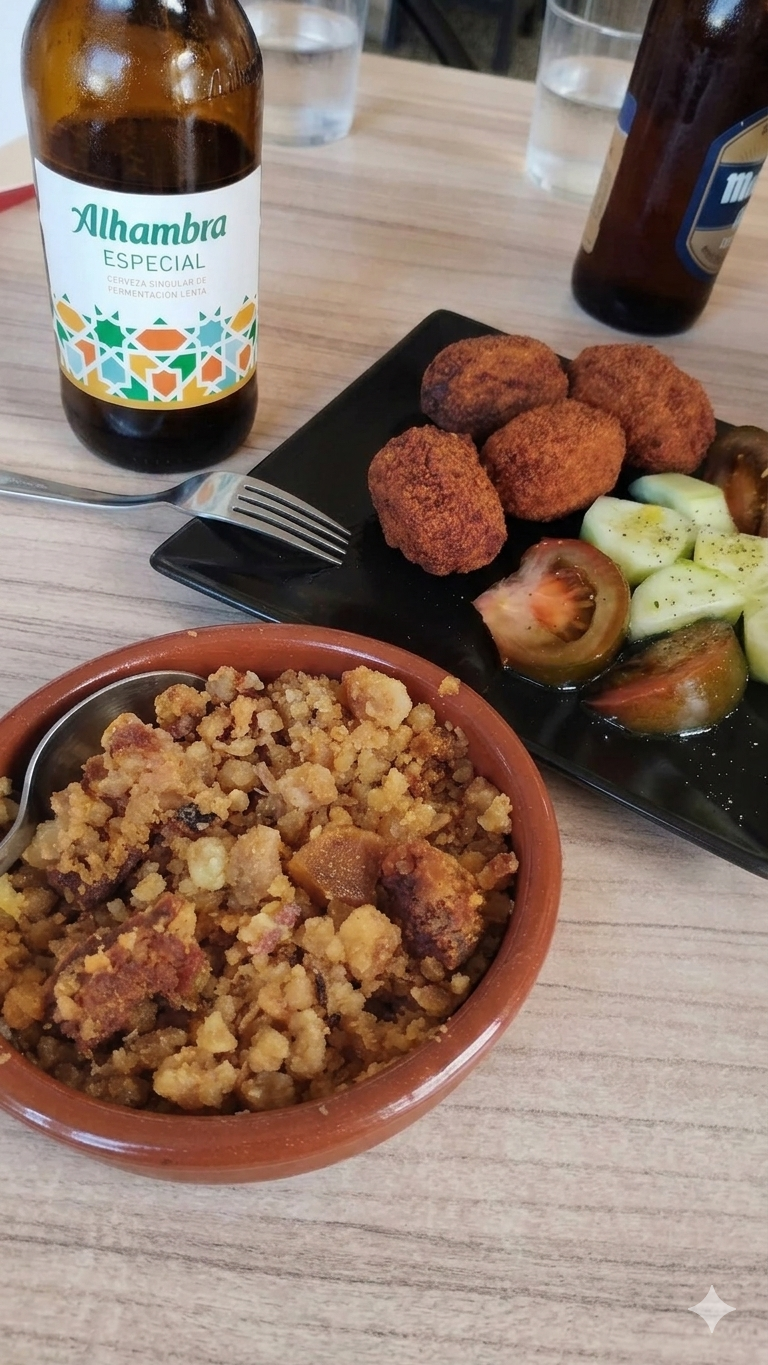
07. Traditional Cuisine
Guadix cuisine is hearty and flavorful, perfect for the mountain climate:
🍲 Olla de San Antón: A stew made with beans, pork, and rice.
🫒 Migas: Made with bread and served with chorizo or sardines.
🥩 Choto al ajillo: The signature dish of the Granada Geopark.
🕒 Practical guide: Opening hours and prices
Before starting your tour, check our guide with the updated schedules and prices to organize your trip without missing any of the main monuments.
View Guadix & Geopark opening hours →💡 Practical Tips for Your Visit
How much time should I allow? A full day isn’t enough to see the main attractions—stay at least one night and take the opportunity to sleep in a cave.
When to go? Spring (April–June) and fall are ideal. Summers are hot, though the caves are always cool.
How to get there? By car from Granada (45 min via the A-92) or by regular bus and train.
Parking: There are public parking areas near the Cathedral (at the fairgrounds, which is also a RV area) and at the entrance to the cave district.
🚶 Free tours and guided visits
Guadix is a city that surprises with its authenticity, its history, and its extraordinary heritage. If you are visiting Granada, set aside a few hours to discover this hidden gem of the Granada Geopark.
Now that you know what to see in Guadix, experience the city through our free tours and guided visits in Guadix. Wander its streets with local guides, discover the Cathedral, the palaces, the cave house neighborhood, and the most emblematic corners of one of the most historic cities in Andalusia.
Frequently Asked Questions (FAQ)
What is the must-see attraction in Guadix?
Without a doubt, the cave-dwelling neighborhood. It’s a unique urban structure that you simply can’t miss.
Is Guadix kid-friendly?
Yes, it’s a lot of fun for kids to explore the cave houses.
Is it close to Granada?
Yes, it’s about 54 km away, making it the perfect day trip from the capital.
How much does it cost to visit the city?
It’s a very affordable destination. For about €15, you can cover admission to the main attractions.


Leave a Reply